Suzhou
JiangsuŞanghay’daki hastanelere yarım saat mesafede klasik bahçeler ve sakin kanallar; tedavi ve iyileşme dönemi için huzurlu bir üs.
Airports: Su'nan Shuofang International Airport, Wuxi (WUX) · Shanghai Hongqiao International Airport (SHA) · Shanghai Pudong International Airport (PVG)
Best months to visit: Mar · Apr · May · Sep · Oct · Nov
Son güncelleme:
Key facts
Hospitals and clinics listed for Suzhou (Jiangsu) in the CareAtlas directory: 2. Main airports: Su'nan Shuofang International Airport, Wuxi (WUX) · Shanghai Hongqiao International Airport (SHA) · Shanghai Pudong International Airport (PVG). Best months to visit: Mar · Apr · May · Sep · Oct · Nov.
- Province: Jiangsu
- Airports: Su'nan Shuofang International Airport, Wuxi (WUX) · Shanghai Hongqiao International Airport (SHA) · Shanghai Pudong International Airport (PVG)
- Best months to visit: Mar · Apr · May · Sep · Oct · Nov
- Hospitals listed: 2
- Last updated:
Yayımlayan: CareAtlas · Yayın politikası
Suzhou is best understood as the Yangtze Delta's recovery garden: a city of UNESCO-listed classical gardens, canals and silk heritage, 25–40 minutes from Shanghai by high-speed rail. It has growing international-facing care of its own — centered on Suzhou Industrial Park — and sits close enough to Shanghai's teaching hospitals that many visitors split the trip: treatment there, calm and recovery here.
Suzhou's medical landscape
Suzhou's most internationally oriented public hospital is Suzhou Dushu Lake Hospital (the Fourth Affiliated Hospital of Soochow University) in Suzhou Industrial Park. The young public tertiary hospital describes internationalization as a foundation of its development: it operates the China–Singapore Suzhou Medical Center and a featured international clinic program, has opened a two-way China–Singapore referral channel linked with foreign-related commercial insurance, and hosts visiting Singaporean specialists who consult and operate on site[3]. Its second-phase buildings are being brought into use with expanded international clinical services[3].
On the private side, Jiahui Health (Suzhou) Clinic in Suzhou Industrial Park covers family medicine, internal medicine, surgery, pediatrics, gynecology, ophthalmology, ENT, dermatology, dentistry, rehabilitation and mental health, with imaging and checkup services; it opens daily except Wednesdays, 9 am–6 pm, at 268 Wangdun Road, and the group publishes a dedicated email for international patient inquiries[2].
Two honest notes. First, Suzhou's international-service footprint is smaller than Shanghai's or Hangzhou's; for complex surgery or rare conditions, most international patients look to Shanghai's hospitals — see the Shanghai directory. Second, "international" offerings evolve quickly here; confirm current scope, language support and insurance terms in writing before travel. Browse sourced profiles in the Suzhou hospital directory and use the bilingual inquiry letter tool for first contact.
Getting there
Suzhou has no major international airport of its own. Most travelers arrive via Shanghai Pudong (PVG) or Shanghai Hongqiao (SHA): from Hongqiao, high-speed trains reach Suzhou Station or Suzhou North in roughly 25–40 minutes; from Pudong Airport, allow 2–3 hours door to door. Su'nan Shuofang International Airport (WUX), between Suzhou and Wuxi, handles domestic and some regional flights about 30–40 minutes away by car.
Visas. As of October 2026, China's 240-hour visa-free transit policy covers nationals of 57 countries transiting to a third country or region. Jiangsu's designated entry ports include Nanjing Lukou International Airport and Su'nan Shuofang International Airport, with Jiangsu Province as the permitted stay area — and because cross-province travel is allowed within the permitted areas of 24 provinces, arriving through Shanghai's airports and staying in Suzhou also fits the policy[1]. For anything beyond consultations, checkups or dental work, arrange an ordinary visa — see visa and entry and re-check the NIA site before booking[1].
Where to stay
- Suzhou Industrial Park (Jinji Lake) — modern hotels and serviced apartments around the lake and Wangdun Road area; closest to Dushu Lake Hospital and the Jiahui clinic, with malls and lakeside walking paths.
- Old town (Gusu / Pingjiang Road) — canal-side guesthouses and boutique hotels near the gardens; atmospheric, though rooms are smaller and streets are cobbled.
- Near Suzhou North station — practical only for heavy rail commuting to Shanghai appointments.
For a treatment-in-Shanghai, recovery-in-Suzhou split, a base near Suzhou Station or in SIP keeps the commute manageable. See accommodation near hospitals.
Combining treatment with sightseeing
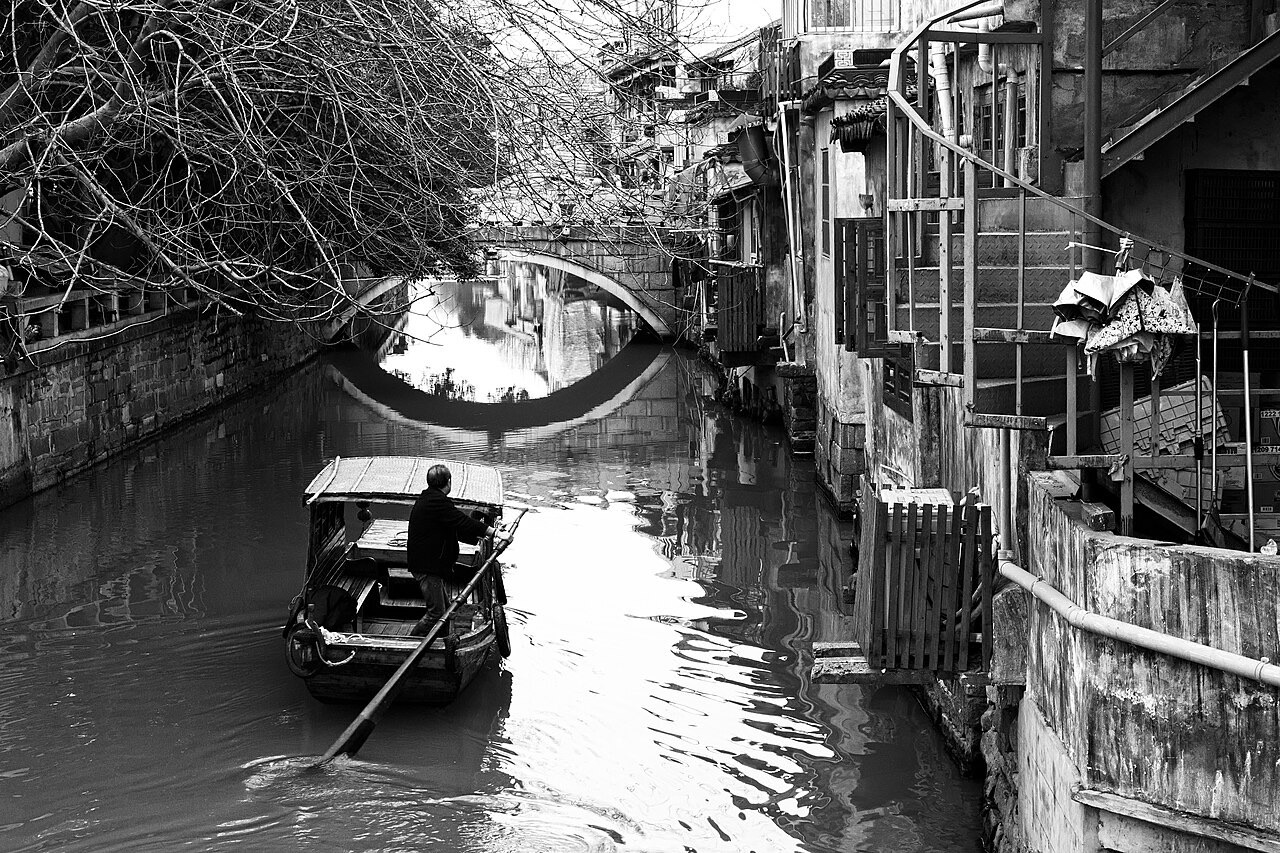
Suzhou's signature activities suit convalescence unusually well: classical gardens are small, flat and contemplative. The Humble Administrator's Garden, Lion Grove, the Master of the Nets Garden and the free Suzhou Museum can each fill an unhurried half day, and an evening stroll or boat ride along Pingjiang Road costs little energy. Tiger Hill and the Tongli water town day trip ask a bit more walking. Clear activity levels with your doctor after any procedure — see recovery-friendly activities.
Rail puts the rest of the delta in reach: Shanghai in 25–40 minutes, Nanjing in about an hour, Hangzhou in roughly 1.5–2 hours. Example: a two-week implant or checkup plan might run appointments in Shanghai on days 2, 5 and 9, with Suzhou as the home base throughout — an example, not a treatment plan. See combining treatment and travel and sample itineraries.
Climate and best season
- Spring (late March–May): 15–25 °C; gardens at their best, azaleas and new green.
- Plum rains (mid-June–early July): humid, persistent drizzle.
- Summer (July–August): 30–38 °C, muggy; gardens early morning only.
- Autumn (late September–November): dry and clear, 15–25 °C; osmanthus season perfumes the old town.
- Winter (December–February): 0–8 °C, damp; quiet gardens, bundle up.
Avoid the first week of October (National Day crowds in the gardens) and expect reduced clinic schedules around Chinese New Year (January–February).
Practical tips
- Payments: set up Alipay or WeChat Pay with a foreign card; cash and cards work at larger facilities — see payments in China.
- Getting around: Suzhou's metro links the rail stations, old town and SIP; Didi fills the gaps — see getting around.
- Language: English is limited outside international-facing clinics; a translation app or interpreter helps — see language and interpreters.
- Emergencies: dial 120; see emergency care in China.
- Records: collect reports and imaging copies from every visit, especially if you split care between Suzhou and Shanghai — see medical records and follow-up.
Limits to plan for
Suzhou rewards patients whose needs are well-defined: checkups, dental, rehabilitation stays, follow-ups, or recovery alongside treatment in Shanghai. It is not the place to arrive with an undiagnosed complex condition — specialist depth and English-language pathways are thinner than in first-tier cities, and complications after you fly home remain your local system's job. Read risks and complications before committing.
Next steps
Compare profiles in the Suzhou hospital directory, widen the search to Shanghai, draft a first email with the bilingual inquiry letter tool, or let the CareAtlas planner build a Suzhou–Shanghai plan.
Sık sorulan sorular
Does Suzhou have hospitals that serve international patients?
Yes. Suzhou Dushu Lake Hospital (Fourth Affiliated Hospital of Soochow University), a public tertiary hospital in Suzhou Industrial Park, runs a China–Singapore medical center and international clinic program linked to foreign commercial insurance, and Jiahui Health operates a multi-specialty clinic in the park. Many patients also use Shanghai hospitals 30 minutes away.
Can I enter China without a visa for a Suzhou trip?
As of October 2026, nationals of 57 countries transiting to a third country can use the 240-hour visa-free transit policy. Jiangsu's designated ports include Nanjing Lukou and Su'nan Shuofang airports, Shanghai's airports also work since cross-province travel between permitted areas is allowed.
Should I get treated in Suzhou or in Shanghai?
For complex or rare conditions, Shanghai's large teaching hospitals offer more specialist depth and are 25–40 minutes away by rail. Suzhou works well for primary care, checkups, dental and follow-up visits — and as a calmer, cheaper recovery base.
When is the best season to visit Suzhou?
Late March–May and late September–November are mild and ideal for garden visits. June–July brings plum rains, August typhoon risk and high heat; winters are damp and chilly.
How do I get from Shanghai's airports to Suzhou?
From Hongqiao, high-speed trains reach Suzhou in roughly 25–40 minutes. From Pudong Airport, cross the city by metro or taxi to a rail station first; door-to-door plan on 2–3 hours.
Kaynaklar (3)
- [1]Visa-Free Transit Policies — National Immigration Administration (erişim tarihi 2026-10-12)↩
- [2]Jiahui Health — Locations — Jiahui Health (erişim tarihi 2026-10-12)↩
- [3]2026新春贺词:这一年,我们淬炼五载让"苏四"更"舒适" — Suzhou Dushu Lake Hospital (Fourth Affiliated Hospital of Soochow University) (erişim tarihi 2026-10-12)↩
Worth seeing
Mütevazı Yönetici Bahçesi
Suzhou’nun UNESCO listesinde yer alan en büyük klasik bahçesi; düz yollar, köşkler ve nilüfer göletleri.
≈ 2 h
Suzhou Müzesi
I. M. Pei’nin tasarladığı bölgesel sanat ve antik eserler müzesi; giriş ücretsiz, pazartesi kapalı.
≈ 2 h
Aslan Korusu Bahçesi
Taihu kayalıklarından oluşan labirentiyle ünlü Ming dönemi bahçesi.
≈ 2 h
Pingjiang Caddesi
Kanal kenarındaki tarihî sokak; yavaş yürüyüşler, çay evleri ve akşam tekne gezileri için uygun.
≈ 2 h
Ağların Ustası Bahçesi
Küçük ve zarif bir bahçe; sezonda atmosferik gece gösterileri düzenlenir.
≈ 1 h
Kaplan Tepesi
Eski kentin kuzeyindeki tepede pagoda ve bahçeler; bazı yokuşlar ve basamaklar vardır.
≈ 3 h
Panmen Manzara Alanı
Su ve kara yollarını birleştiren antik kent kapısı; eski surların bir bölümü ve pagoda bulunur.
≈ 2 h
Tongli Su Kasabası
Şehrin güneyinde kanallar, köprüler ve avlularıyla bilinen kasaba; kolay bir günübirlik gezi.
≈ 4 h