Bo'ao Lecheng
HainanÇin ana karasında henüz onaylanmamış ilaç ve tıbbi cihazlar için pilot bölge.
Airports: BAR
Best months to visit: Nov · Dec · Jan · Feb · Mar · Apr
Son güncelleme:
Key facts
Hospitals and clinics listed for Bo'ao Lecheng (Hainan) in the CareAtlas directory: 5. Main airports: BAR. Best months to visit: Nov · Dec · Jan · Feb · Mar · Apr.
- Province: Hainan
- Airports: BAR
- Best months to visit: Nov · Dec · Jan · Feb · Mar · Apr
- Hospitals listed: 5
- Treatments at listed hospitals: Diş kronları ve veneerler, Kanal tedavisi, Yönetici sağlık taraması, Geleneksel Çin Tıbbı tedavileri, Kanserde ikinci görüş ve multidisipliner değerlendirme … +1
- Last updated:
Yayımlayan: CareAtlas · Yayın politikası
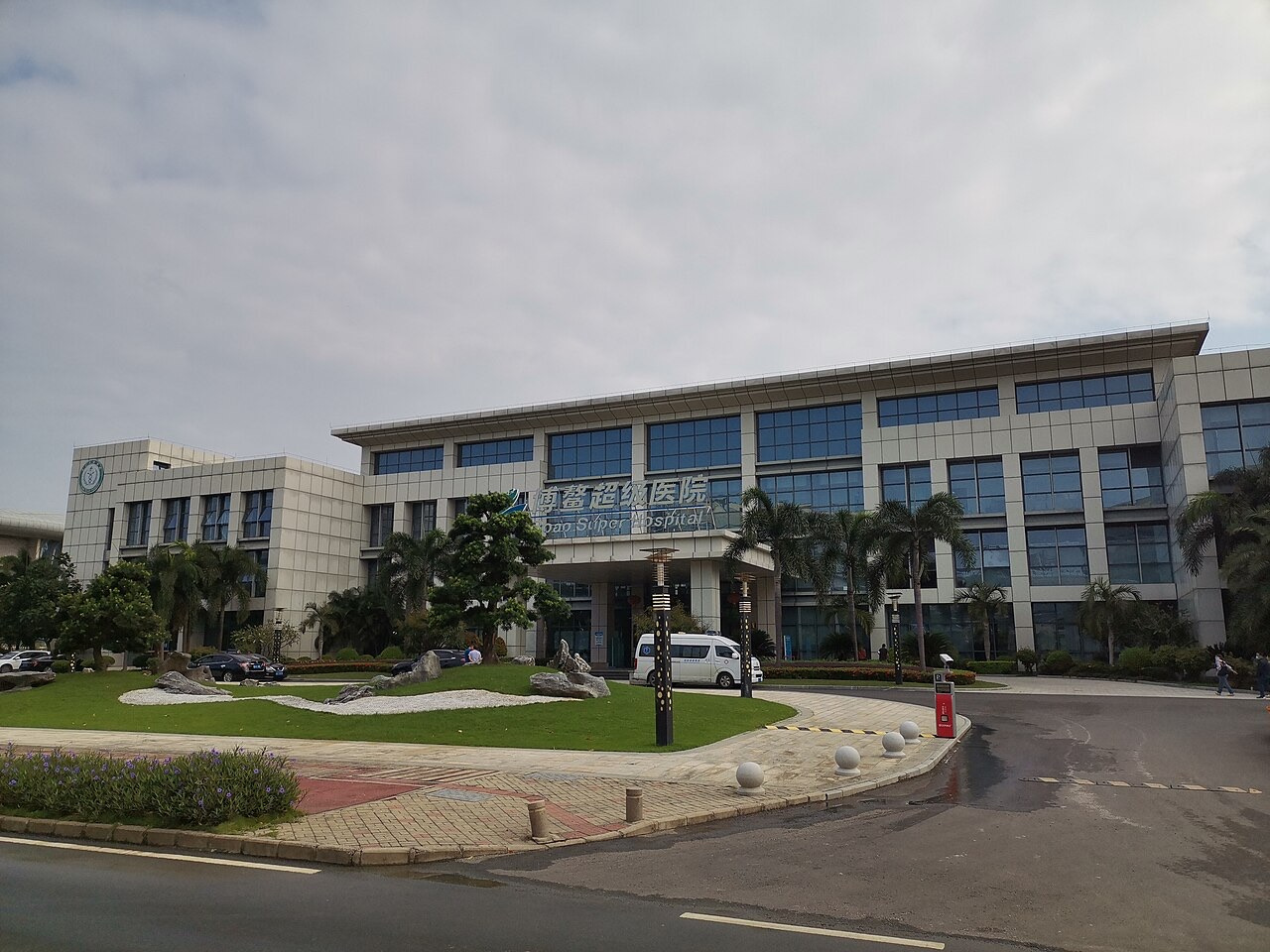
Boao Lecheng is not a city in the usual sense — it is a state-designated medical zone on the Wanquan River in Qionghai, Hainan, where licensed hospitals may import and use drugs and medical devices that are approved abroad but not yet in the rest of mainland China. Patients come for one reason above all: access to a specific therapy years before it is available nationally. This page covers Boao Lecheng as a destination — who goes, how to get there from Haikou and Sanya, and where to stay. For the policy details (how licensed drugs, real-world data and insurance work), read our full guide to the Boao Lecheng pilot zone.
What Boao Lecheng actually is
The Boao Lecheng International Medical Tourism Pilot Zone was approved by China's State Council on 28 February 2013 and granted nine special policies to pilot international medical tourism, licensed medical services, rehabilitation and medical aesthetics[1]. It is the only zone of its kind in China and the country's first pilot zone for the application of real-world data — meaning clinical experience gathered here can support national registration of new products[1].
In practical terms, the zone is a planned riverside campus of hospitals, clinics and research facilities between Qionghai's urban area (Jiaji) and the Boao Forum for Asia conference site[1]. Dozens of medical institutions operate there, in a structure led by branches of top mainland public hospitals such as Ruijin Hospital and West China Hospital alongside private and international specialty brands[1]. By mid-2025, more than 460 special drugs and devices had been introduced and used in China for the first time through the zone, benefiting a cumulative total of over 110,000 patients[1]. Eligible drugs and devices used in the zone are also exempt from import tariffs and import VAT under a 2024 national circular, which supports pricing of these therapies[4].
The zone's featured specialties are rare diseases, oncology, ophthalmology, otolaryngology, reproductive health, health check-ups and medical aesthetics[1].
Who goes — and who shouldn't
Boao Lecheng makes sense for a fairly specific patient:
- You need a drug or device approved in the US, EU or Japan but not yet in mainland China. This is the zone's core purpose. Typical examples come from oncology, ophthalmology, rare diseases and hearing/ENT[1].
- You live in Asia and want an early-access alternative to flying to the US or Europe for one specific therapy.
- You are already in China (expat or visitor) and your doctor has identified a treatment that is not yet nationally approved.
It is usually not the right choice if you need complex multi-specialty care, emergency surgery, or long inpatient treatment with no special-access component — large academic centers in Beijing, Shanghai or Guangzhou are better equipped for that. It is also not a discount destination: imported therapies are priced as premium care, and you should confirm costs in writing before travelling.
One step matters more than any other: confirm that your specific drug or device is actually available, and at which hospital, before you book flights. Availability changes as products gain national approval and new ones are introduced. The zone's official service platform (Lecheng Service, with WeChat/Alipay mini-apps) lists licensed drugs and devices and participating institutions[5], and hospitals answer availability questions by email — our bilingual inquiry letter tool can help you ask precisely.
How a treatment visit works
In outline: a licensed hospital in the zone applies for permission to import the clinically urgent product; you are assessed by that hospital's doctors; the therapy is administered in the zone. Some take-home use of certain licensed drugs is possible under zone rules, but conditions apply — ask the hospital what you may carry out and for how long. Many therapies (for example a course of infusions, or a device implant plus follow-up) require either a longer stay or repeat visits, so ask for the full schedule before committing. Details, including what happens if you need follow-up at home, are in the full Lecheng guide and our guide to medical records and follow-up.
Getting there
The zone sits about 3.7 km from Boao railway station on Hainan's east-ring high-speed line and about 7.3 km from Qionghai Boao International Airport[1]. Hospitals commonly arrange station or airport pickup — ask when you book.
From Haikou
Take a high-speed train from Haikou's stations (including Meilan station, directly under Haikou Meilan International Airport) south to Boao station; the Meilan–zone rail link is around 35 minutes[3]. From Boao station it is a roughly 10-minute taxi to the zone[3]. If your train's times don't suit, trains to Qionghai station are more frequent; from there it is a 20–30 minute taxi or local bus. By road, the zone is about 5.5 km off the G98 ring expressway (Zhongyuan exit) — around 1.5–2 hours' drive from Haikou[3].
From Sanya
High-speed trains on the same east-ring line run from Sanya and Yalong Bay stations to Boao or Qionghai; plan roughly an hour on the train (check 12306 schedules, as not every train stops at Boao), then a taxi. Driving takes about two hours depending on where in Sanya you start.
From Qionghai town (Jiaji)
The zone borders Qionghai's urban area; a taxi takes about 20 minutes, and local buses connect Qionghai station and town with the zone's service center.
Flying straight in
Qionghai Boao International Airport (BAR) has domestic flights from major cities such as Beijing, Shanghai and Guangzhou[3], and it is one of Hainan's listed visa-free entry ports[2]. International travelers usually get better fares and schedules into Haikou (HAK) or Sanya (SYX) and finish the trip by rail.
Staying nearby
- Inside and beside the zone: a growing cluster of hotels and serviced apartments aimed at patients and families; closest to appointments, quietest in the evening.
- Boao town (Forum area), 10–15 minutes away: riverside and beach hotels from mid-range to five-star conference resorts; restaurants and a small-town seafront.
- Qionghai city (Jiaji), 20–30 minutes: the widest choice of budget hotels, supermarkets and everyday restaurants.
For a multi-week course of treatment, ask the hospital about partner hotels or long-stay rates, and read our guide to accommodation near hospitals. If a companion is coming, our traveling with companions guide covers what they can do day-to-day.
Entry and visas
As of October 2026, ordinary passport holders from 61 countries may enter Hainan visa-free for up to 30 days, and "receiving medical treatment" is an explicitly permitted purpose; entry ports include Haikou Meilan, Sanya Phoenix and Qionghai Boao airports[2]. Under this Hainan-specific policy you must stay within Hainan province; separate nationwide visa-free policies cover 79 countries and allow travel across China[2]. If treatment will run longer than your visa-free window, apply at the provincial exit-entry administration before it expires, or get a visa in advance[2]. Details and country lists: visa and entry guide.
Between appointments
The setting is genuinely pleasant for recovery: walks along the Wanquan River, the Boao Forum campus, Yudai Beach's sandbar where the river meets the sea, and seafood in Boao town or Tanmen fishing port. The pace is slow — this is a small riverside town, not a resort strip. If you want beach-resort infrastructure, pair the zone with Sanya; if you want city conveniences and the main international airport, use Haikou. Always ask your doctor which activities (sun, swimming, boat trips) are safe at your stage of treatment — see recovery and travel activities.
Limits to plan around
- Availability is a moving target. Products enter and leave the licensed list as national approvals catch up. Never travel on the assumption a therapy is available — confirm in writing[5].
- Pricing is premium and mostly self-paid. Some Chinese commercial insurance covers licensed products; most foreign insurance will not. Ask for a written quote; see costs and insurance.
- Follow-up at home needs planning. Your home doctors may be unfamiliar with a product not approved in your country. Arrange records, translations and a follow-up plan before you leave — see risks and complications.
- English service varies by institution. Confirm language support when you first contact a hospital.
Next steps
Browse hospitals and clinics in Boao Lecheng, read the full pilot-zone guide, use the inquiry letter tool to ask a hospital about your specific drug or device, or let the CareAtlas planner draft a treatment-plus-travel itinerary for you.
Sık sorulan sorular
What is special about Boao Lecheng compared with a normal Chinese hospital district?
Hospitals in the zone can apply to import and use drugs and medical devices that are approved abroad but not yet licensed in the rest of mainland China. Elsewhere in the country, patients would have to wait for national approval.
Do I need a visa to go to Boao Lecheng for treatment?
Citizens of 61 countries can enter Hainan visa-free for up to 30 days, and receiving medical treatment is an explicitly permitted purpose. Qionghai Boao International Airport is one of the listed entry ports. Check the National Immigration Administration or Hainan government site for the current list before booking.
How do I get to Boao Lecheng from Haikou or Sanya?
Take the island's east-ring high-speed rail to Boao station, which is about 3.7 km from the zone, then a short taxi ride. From Haikou/Meilan the train leg takes around 35–45 minutes; from Sanya plan roughly an hour by rail or around two hours by road.
Can any patient just show up and buy an unapproved drug there?
No. A licensed hospital in the zone must apply for each clinically urgent import, and a doctor must assess you and prescribe it. Start by confirming with a hospital that your specific drug or device is available before you travel.
Is Boao Lecheng a good base for a beach holiday too?
It is quiet and pleasant — a river, a sandbar beach and the Boao Forum campus — but it is a small town. Most visitors who want resorts and nightlife stay in Sanya or Haikou and travel to the zone for appointments.
Kaynaklar (5)
- [1]Administration of Boao Lecheng International Medical Tourism Pilot Zone — Hainan Provincial People's Government (erişim tarihi 2026-10-12)↩
- [2]Visa-free entry policies of Hainan province — Hainan Provincial People's Government (erişim tarihi 2026-10-12)↩
- [3]Boao Lecheng International Medical Tourism Pilot Zone — Transportation — Invest in China (China Daily / chinaservicesinfo.com) (erişim tarihi 2026-10-12)↩
- [4]China to exempt import tariffs on drugs, medical devices in Boao Lecheng pilot zone — The State Council of the People's Republic of China (english.www.gov.cn) (erişim tarihi 2026-10-12)↩
- [5]Lecheng Service — official service platform of the Lecheng Pilot Zone — Hainan Boao Lecheng International Medical Tourism Pilot Zone Administration (erişim tarihi 2026-10-12)↩
Worth seeing
Boao Asya Forumu daimi merkezi
Her yıl düzenlenen Boao Forumu'na ev sahipliği yapan, nehir kıyısındaki konferans kampüsü.
≈ 2 h
Yudai Plajı
Wanquan Nehri'nin Güney Çin Denizi'ne kavuştuğu yerdeki dar kum seti.
≈ 2 h
Wanquan Nehri
Bölgeden geçen berrak tropik nehir; tekne gezileri ve kıyı yürüyüş yolları bulunur.
≈ 3 h
Boao kasabası
Nehir kıyısında deniz ürünleri restoranları ve sakin bir yaşam temposu olan küçük kasaba.
≈ 3 h
Tanmen balıkçı limanı
Kıyı boyunca biraz ileride bulunan, deniz ürünleri pazarlarıyla tanınan faal bir balıkçı kasabası.
≈ 2 h