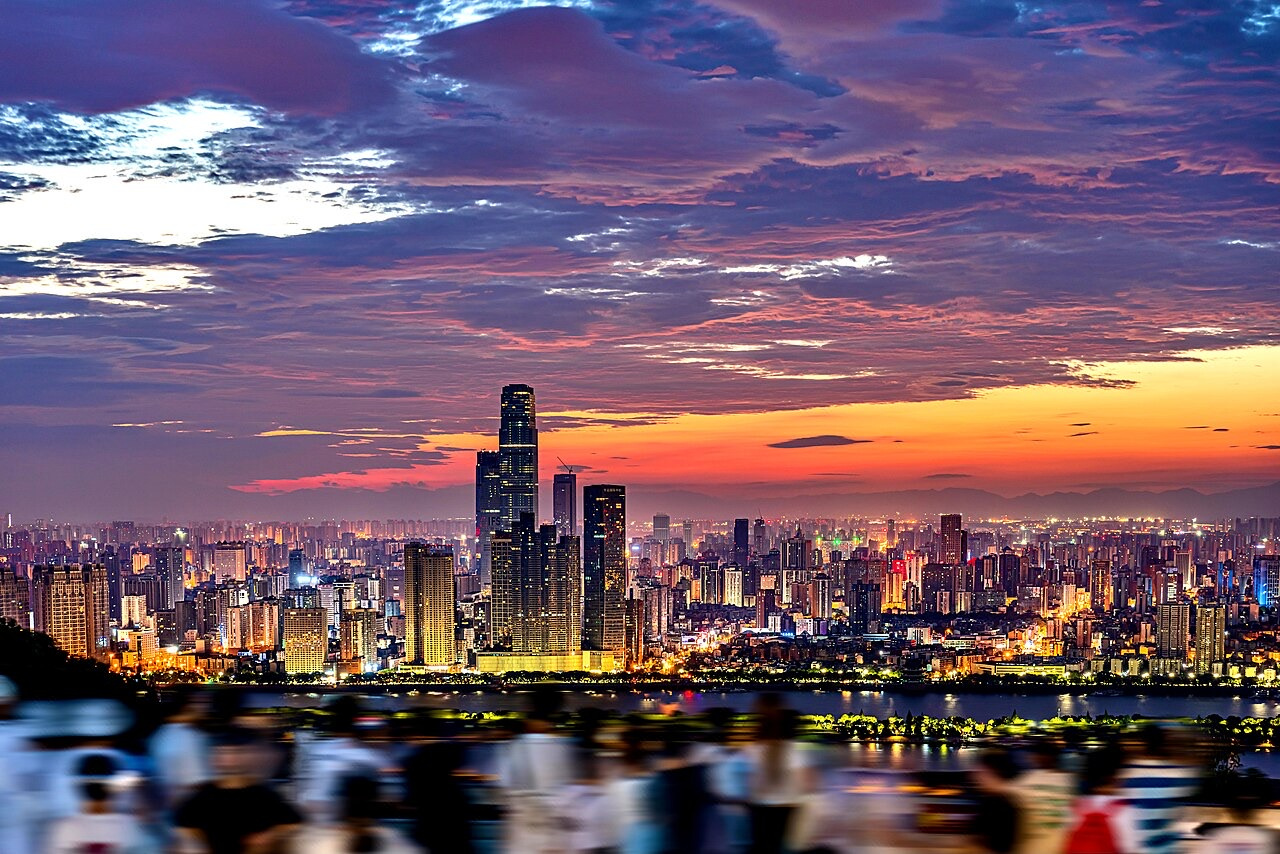
ฉางซา
Hunanศูนย์กลางระบบเซียงย่า มีศูนย์นานาชาติที่เป็นพันธมิตรกับ UPMC ในเมืองหลวงมณฑลที่คึกคักและค่าครองชีพไม่สูง
Airports: Changsha Huanghua International Airport (CSX)
Best months to visit: Mar · Apr · May · Sep · Oct · Nov
อัปเดตล่าสุด:
Key facts
Hospitals and clinics listed for ฉางซา (Hunan) in the CareAtlas directory: 4. Main airports: Changsha Huanghua International Airport (CSX). Best months to visit: Mar · Apr · May · Sep · Oct · Nov.
- Province: Hunan
- Airports: Changsha Huanghua International Airport (CSX)
- Best months to visit: Mar · Apr · May · Sep · Oct · Nov
- Hospitals listed: 4
- Treatments at listed hospitals: การผ่าตัดแก้ไขค่าสายตา (SMILE / LASIK / ICL), ผ่าตัดต้อกระจก (ใส่เลนส์แก้วตาเทียม), แว่นตาและตรวจวัดสายตา
- Last updated:
เผยแพร่โดย CareAtlas · นโยบายกองบรรณาธิการ
Changsha, the capital of Hunan province, is best known medically for the Xiangya system of Central South University — one of China's oldest and most respected medical schools. Its flagship, Xiangya Hospital, operates a dedicated international medical center established with the University of Pittsburgh Medical Center (UPMC)[3]. The city is served by Changsha Huanghua International Airport, an eligible port for China's 240-hour visa-free transit, with the permitted stay area covering the whole of Hunan[1][2]. Here is how to plan care, travel and timing.
Why patients consider Changsha
The Xiangya name carries weight in Chinese medicine: the hospital, founded in 1906, describes itself as a large public hospital directly managed at the national level with 3,500 authorized beds and dozens of national key disciplines and clinical programs[3]. For international patients, the existence of a purpose-built international center with foreign management input is the main practical advantage — rarer in provincial capitals than in Beijing or Shanghai. Changsha is also a lively, inexpensive city with strong rail connections, making it feasible to combine treatment with time in central China.
On the other hand, Changsha sees fewer foreign patients than coastal hubs, published English information is limited, and the private international clinic scene is thin. Plan more actively: write ahead, confirm services and prices, and arrange your follow-up at home before you fly.
The medical landscape
Xiangya Hospital of Central South University
Hunan's government portal describes Xiangya Hospital as an affiliated hospital of Central South University and an important national center for diagnosis and treatment, medical education and research[3]. In 2014 the hospital partnered with UPMC to establish the Xiangya International Medical Center (XIMC), which opened in July 2015; UPMC dispatched a resident management consulting team and introduced its medical management systems and procedures, and the center is described as following Joint Commission International (JCI)-style standardized service processes[3]. Note the careful wording: following JCI-style processes is not the same as holding JCI accreditation — ask the hospital directly about current certifications. The hospital has also opened weekend outpatient services, with regular, expert, VIP and international medical clinics available on Saturdays and Sundays[3].
The rest of the city
Changsha hosts several other large university-affiliated tertiary hospitals, but their public information for foreign patients is sparse; most routine care for internationals flows through Xiangya's channels or hotel-recommended clinics. Browse hospitals in Changsha for sourced listings, and read how international departments work to calibrate expectations. Always confirm in writing that your specific treatment is available through an international service — a hospital having a specialty department does not mean the international desk covers it.
Getting there
Flights and connections
Changsha Huanghua International Airport (CSX) handles direct flights to major Asian cities, with one-stop connections worldwide via Beijing, Shanghai, Guangzhou, Hong Kong or Middle East hubs. A maglev line links the airport with Changsha South high-speed rail station, and metro and taxis cover the rest of the city. By high-speed rail, Changsha is roughly 1.5 hours from Wuhan, 2.5 from Guangzhou and 6 from Beijing — convenient if you are comparing hospitals in Wuhan or Guangzhou.
Visa-free options
As of October 2026, the 240-hour visa-free transit policy covers nationals of 57 countries travelling onward to a third country or region; Changsha Huanghua International Airport is a designated port, and the permitted stay area is the whole of Hunan province[1][2]. Transit travellers may do tourism, business, exchange or family visits, but work or study still require visas[2]. Separately, 50 countries' nationals may enter China visa-free for up to 30 days under the unilateral exemption policy as of February 2026[4]. Policies change — check the NIA site and our visa and entry guide.
Where to stay
Xiangya Hospital sits north of the city centre in Kaifu district; the practical hotel zones are the Wuyi Square area (the commercial heart, one short metro or taxi hop away, with the widest hotel choice) and the streets immediately around the hospital for budget options. If mobility is limited, prioritise distance over hotel ratings — Changsha traffic is dense at rush hour. Our accommodation guide covers booking tactics, deposits and long-stay discounts that apply across China.
Combining treatment with travel
Changsha offers genuinely pleasant low-effort sightseeing. Orange Isle (Juzizhou) in the Yangtze tributary Xiang River is a flat riverine park ideal for recovery walks; the Hunan Museum's Mawangdui Han-dynasty exhibits are world-class and entirely indoors; Yuelu Mountain and the thousand-year-old Yuelu Academy suit a gentle half-day (there is a shuttle and cable assistance for parts of the hill). Evenings bring the famous food streets — approach Hunan's chillies with respect if your treatment involves the digestive tract.
Example plan (illustrative only): arrive Sunday; consultations Monday; tests Tuesday morning, Orange Isle stroll at sunset; results Wednesday plus the Hunan Museum; Thursday buffer for follow-ups; Friday departure — or, if your doctor has cleared you, a post-treatment extension to Zhangjiajie (about three hours by train, strenuous walking). Sequence rest properly: see combining treatment and travel and recovery-friendly activities.
Climate and the best season
Changsha's humid subtropical climate mirrors much of central China: long, hot, muggy summers (June–August, often above 35 °C), damp chilly winters with little central heating, and two comfortable shoulder seasons. March–May and September–November are the best windows for a medical trip; October is particularly reliable. If you must come in summer, schedule outdoor activities for early morning and rely on air-conditioned museums and malls at midday.
Practical tips
- Payments: hospital cashiers and shops run on Alipay/WeChat Pay; link a foreign card before travelling and carry some cash. See payments in China.
- Language: assume Mandarin-only outside international channels; book interpretation through the hospital when you make the appointment — options in our language guide.
- Food: Hunan cuisine is seriously spicy. If you are recovering from gastrointestinal procedures, say "bù là" (not spicy) or stick to hotel dining, porridge shops and convenience stores.
- Getting around: metro lines are signposted in English; DiDi/Amap ride-hailing avoids verbal directions. See getting around.
- Records: bring prior reports and imaging; request copies of all new records before leaving — see medical records and follow-up.
- Emergencies: dial 120 for an ambulance.
Limits to plan around
Changsha is a strong choice if Xiangya's channels confirm they can treat you, but do not assume every specialty is internationally accessible. Complex care may need repeat visits; complications after returning home fall to your local doctors, so arrange follow-up in advance. Prices are rarely published — insist on written estimates. If information you need is not forthcoming in English, that is itself a planning signal: consider cities with more developed international services, or use our planner to compare options.
Next steps
Browse hospitals in Changsha, send a bilingual query with the inquiry letter tool, or let the CareAtlas planner draft a treatment-plus-travel itinerary for your dates.
คำถามที่พบบ่อย
Which Changsha hospital treats international patients?
Xiangya Hospital of Central South University runs the Xiangya International Medical Center (XIMC), established in 2014 in cooperation with the University of Pittsburgh Medical Center and opened in 2015. Other large public hospitals in the city mainly serve patients in Chinese.
Can I enter Changsha without a Chinese visa?
As of October 2026, nationals of 57 countries can use the 240-hour (10-day) visa-free transit; Changsha Huanghua International Airport is an eligible port and the permitted area covers all of Hunan. A separate 30-day unilateral visa-free policy covers 50 countries. Verify on the NIA website before booking.
When is the best season for a medical trip to Changsha?
Spring (March–May) and autumn (September–November). Summers are hot and humid; winters are damp and chilly with limited central heating.
Is Changsha food too spicy for recovering patients?
Hunan cuisine is among China's spiciest, which may not suit gastrointestinal patients or sensitive stomachs. Hotels, mall food courts and convenience stores offer plenty of mild alternatives — ask for 'bu la' (not spicy).
Can I combine treatment in Changsha with a Zhangjiajie trip?
Only after your doctor clears you: Zhangjiajie involves long transfers and strenuous walking. The 240-hour transit area covers all of Hunan, so it is legally straightforward for eligible transit travellers, but schedule it after your final review.
แหล่งอ้างอิง (4)
- [1]China's Visa-Free Transit Policy Fully Relaxed and Optimized — National Immigration Administration (เข้าถึงเมื่อ 2026-10-12)↩
- [2]Visa-Free Transit Policies — National Immigration Administration (เข้าถึงเมื่อ 2026-10-12)↩
- [3]Xiangya Hospital of Central South University — Hunan Provincial Government (enghunan.gov.cn) (เข้าถึงเมื่อ 2026-10-12)↩
- [4]List of Countries Covered by Unilateral Visa Exemption Policies — National Immigration Administration (เข้าถึงเมื่อ 2026-10-12)↩
Worth seeing
เกาะส้ม (จวี๋จื่อโจว)
สวนริมแม่น้ำเซียงที่พื้นราบ เหมาะกับการเดินเล่นช่วงพักฟื้น และสวยเป็นพิเศษยามพระอาทิตย์ตก
≈ 2 h
พิพิธภัณฑ์หูหนาน
จัดแสดงโบราณวัตถุจากสุสานราชวงศ์ฮั่นที่หม่าอ๋องตุยระดับโลก โดยจัดแสดงภายในอาคารทั้งหมด
≈ 3 h
สำนักศึกษาเยว่ลู่
สำนักศึกษาอายุนับพันปีบริเวณเชิงเขาเยว่ลู่ มีลานราบสำหรับการเที่ยวชมแบบสบาย ๆ
≈ 2 h
ภูเขาเยว่ลู่
เที่ยวแบบสบาย ๆ ใช้เวลาครึ่งวัน มีรถรับส่งและกระเช้าช่วยให้เดินทางขึ้นบางส่วนของเนินเขาได้
≈ 4 h
จัตุรัสอู่ยี่และถนนอาหารยามค่ำ
ย่านการค้าหลักที่มีตรอกอาหารขึ้นชื่อ หลังรักษาโรคทางเดินอาหารควรระวังพริกเผ็ดของหูหนาน
≈ 2 h
จางเจียเจี้ย (ทริปค้างคืน)
นั่งรถไฟประมาณสามชั่วโมง เส้นทางเดินต้องใช้แรงมาก ควรไปหลังจากแพทย์อนุญาตแล้วเท่านั้น
≈ 12 h