Getting Around China: Trains, Flights & DiDi for Patients (2026)
How medical travelers move around China: booking high-speed rail with a passport on 12306, domestic flights, metro, taxis and DiDi, plus typical travel times.
อัปเดตล่าสุด:
Quick answer
High-speed rail links most major medical cities in hours; book with your passport on 12306 and keep DiDi for the last kilometer.
- Can foreigners book Chinese train tickets online?: Yes. The official 12306 English website and app accept foreign passports — the English platform accepts only valid foreign passports as ID.
- Do I need paper train tickets in China?: No. Rail tickets are electronic and linked to the ID used for booking.
- Is DiDi usable without Chinese language or a Chinese phone number?: Yes. The official DiDi China app has an English interface, registration with foreign mobile numbers, in-app translated chat with drivers and support for international bank cards, though a specific card can still be declined — set up Alipay or WeChat Pay as backup.
- Train or plane between Chinese cities?: For city pairs under about 1,000 km (Beijing–Shanghai, Shanghai–Nanjing, Guangzhou–Shenzhen), high-speed rail is usually faster door-to-door and more comfortable after treatment.
- Last updated:
เผยแพร่โดย CareAtlas · นโยบายกองบรรณาธิการ
Getting around China is one of the easier parts of a medical trip: high-speed rail connects almost every major medical city in a few comfortable hours, domestic flights cover the long legs and Hainan, metros are cheap and signposted in English in big cities, and the DiDi ride-hailing app works in English with a foreign phone number. The main things to set up in advance are a 12306 rail account verified against your passport and a working payment method.
High-speed rail: the medical traveler's workhorse
China's high-speed network is usually the best way to move between treatment cities: station-to-station times beat flying on most sub-1,000 km routes, luggage stays with you, and there is more space to sit comfortably after a procedure.
Booking with a passport. The official booking channel is 12306 — the website has an English version, and the English platform accepts only valid foreign passports as ID. Register with your passport details exactly as printed, complete verification, then book. China uses real-name ticketing: every ticket is tied to a specific ID document, and foreign passengers buy tickets with valid passports.
E-tickets, not paper. Tickets are electronic vouchers linked to the ID used for purchase; you show that ID to check in, board and exit. In practice: carry the physical passport you booked with. An "itinerary sheet" can be printed for expense claims but is not a ticket. If an automatic gate cannot read your passport, use the staffed lane.
Timing quirks. The English site handles purchase, changes (endorsement), refunds and destination changes; ticket sales run from 05:00 to 01:00 the next day (to 23:30 on Tuesdays), while queries and refunds work around the clock. Trains sell out around national holidays (Chinese New Year, the early-October Golden Week) — book as soon as your appointment is confirmed.
On board. Second class is comfortable; first class and business class give more room to elevate a leg or sleep. Free luggage allowance for most adults is 20 kg, with a size cap of 130 cm total dimensions on high-speed (EMU) trains — folding wheelchairs do not count against the limit. All high-speed trains are strictly non-smoking.
Typical rail travel times between medical cities
Approximate ranges for direct high-speed services as of October 2026. Schedules change — always check current times and prices on 12306. The fastest and slowest trains on a route can differ by an hour or more.
| Route | Typical high-speed time |
|---|---|
| Beijing ↔ Tianjin | ~0.5–1 h |
| Shanghai ↔ Suzhou | ~0.5–0.75 h |
| Guangzhou ↔ Shenzhen | ~0.5–0.75 h |
| Shanghai ↔ Hangzhou | ~0.75–1.25 h |
| Chengdu ↔ Chongqing | ~1–1.5 h |
| Shanghai ↔ Nanjing | ~1–1.75 h |
| Wuhan ↔ Changsha | ~1.5–2 h |
| Beijing ↔ Shanghai | ~4.5–6 h |
| Beijing ↔ Xi'an | ~4.5–6 h |
| Beijing ↔ Guangzhou | ~7.5–10 h (consider flying) |
For city context see Beijing, Shanghai, Guangzhou and the rest of our city guides.
Domestic flights
Fly when rail doesn't fit: cross-country routes (Beijing ↔ Guangzhou/Shenzhen, Shanghai ↔ Chengdu for some travelers) and anything involving Hainan island — Sanya, Haikou and the Boao Lecheng medical zone are reached by air or ferry, not high-speed rail from the mainland. Book via airline websites or major travel platforms with your passport; the name must match it exactly. Arrive about two hours before domestic departures — security and ID checks have queues — and note that liquids rules are strict and power banks must travel in cabin baggage with visible capacity markings. If you have had recent surgery, ask your doctor about fitness to fly before booking tight connections; see recovery and travel activities.
Metro systems
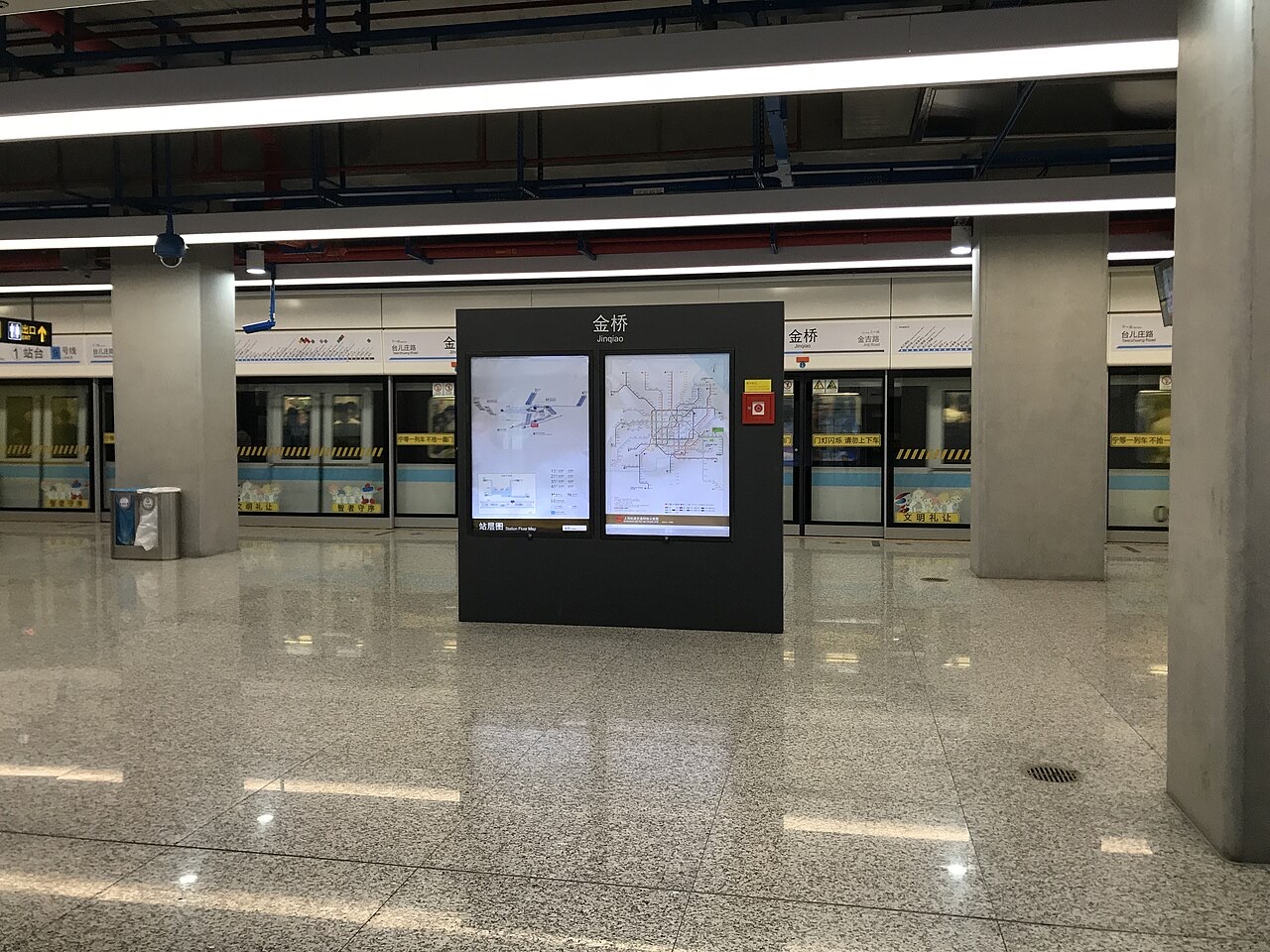
Every major medical city in this directory except the Hainan beach towns has a metro. Fares are low (a few yuan), signage and announcements in big-city systems include English, and station security screens bags on entry. Buy single-journey tickets from bilingual machines, or pay by transit QR code inside Alipay/WeChat — set this up once and you can ride metros in most cities; see payments in China. Two cautions for patients: rush hours (roughly 7:30–9:30 and 17:00–19:30) are genuinely crowded, and while newer stations have elevators, older ones may route you across long corridors and stairs. With limited mobility, prefer DiDi door-to-door.
Taxis and DiDi
DiDi is China's dominant ride-hailing platform, and its official app is built for visitors: an English interface with sign-up using your own international mobile number, in-app driver chat with automatic English–Chinese translation, international bank card support and 24/7 in-app English customer service, according to the official app listing. In practice some foreign cards still get declined by issuer or risk checks — link a card to Alipay or WeChat Pay as a backup and you can also call DiDi from mini-programs inside those apps.
Street taxis are metered and plentiful. Drivers rarely speak English and cash change can be scarce, so show your destination in Chinese characters — save your hospital's name and address from its listing in our hospital directory, or ask your hotel for a card. For hospital trips, have the campus right: large hospitals operate multiple branches across a city, and international departments are often at one specific campus.
Airport transfers
All major gateways have several transfer options: metro or dedicated airport-express rail lines, official taxi ranks (ignore touts offering rides inside the terminal), and DiDi pick-up points signposted in the parking structures. Shanghai Pudong additionally has a high-speed maglev shuttle toward the city. Pre-booked hotel or hospital transfers cost more but remove friction on arrival day — worth it if you land after a long-haul flight the day before a procedure. Heading out, allow generous buffers: big-city traffic is unpredictable, and airport rail lines stop running late evening.
Accessibility
Rail stations at the larger hubs run priority service counters for elderly, sick, disabled and pregnant passengers covering ticketing, entry, boarding and luggage, and some stations provide wheelchairs — the operator advises consulting the specific station for details. Folding wheelchairs travel free outside luggage limits. Metro accessibility is best on newer lines; airports provide wheelchair assistance when requested through the airline in advance. Realistically, accessible travel in China works best with a companion: curb cuts, elevator locations and assistance availability vary block by block. See traveling with companions.
Planning transport around treatment
Three rules of thumb. First, don't schedule a long transfer on procedure day — arrive the day before; our sample itineraries show workable rhythms. Second, after surgery, prefer trains over planes where possible (more room to move, no cabin-pressure concerns) but follow your surgeon's advice on both. Third, keep your passport on your body, not in checked luggage: it is your train ticket, hotel key and hospital registration document all at once. For the full pre-trip list, see the planning checklist.
Next steps
- Compare hospitals by city in the hospital directory, then check how they connect by rail.
- Browse city guides for airport and station details in each destination.
- Let the CareAtlas planner draft a treatment itinerary with transfers built in.
คำถามที่พบบ่อย
Can foreigners book Chinese train tickets online?
Yes. The official 12306 English website and app accept foreign passports — the English platform accepts only valid foreign passports as ID. Register, verify your passport, book, and board by showing the same passport at the station.
Do I need paper train tickets in China?
No. Rail tickets are electronic and linked to the ID used for booking. You show your passport at check-in; a paper itinerary sheet is optional and is not itself a ticket.
Is DiDi usable without Chinese language or a Chinese phone number?
Yes. The official DiDi China app has an English interface, registration with foreign mobile numbers, in-app translated chat with drivers and support for international bank cards, though a specific card can still be declined — set up Alipay or WeChat Pay as backup.
Train or plane between Chinese cities?
For city pairs under about 1,000 km (Beijing–Shanghai, Shanghai–Nanjing, Guangzhou–Shenzhen), high-speed rail is usually faster door-to-door and more comfortable after treatment. For Hainan island (Sanya, Haikou, Boao) and cross-country legs, fly.
Is Chinese transport wheelchair accessible?
Larger stations offer priority counters and wheelchair assistance on request, newer metro stations have elevators, and stations handle foldable wheelchairs outside normal luggage limits. Coverage is uneven, so request assistance in advance and travel with a companion if mobility is limited.
Comments
No comments in this language yet.