Medical Care in Mainland China for Taiwan Residents (2026)
How Taiwan residents see a doctor in mainland China: the 台胞证 at the desk, joining mainland medical insurance, Fujian rules, and claiming from Taiwan NHI.
Ultimo aggiornamento:
Quick answer
Your 台胞证 opens every hospital desk, but online booking, insurance and Taiwan NHI refunds each follow their own rules. Here is how they fit together.
- Which ID do Taiwan residents use at a mainland hospital?: The Mainland Travel Permit for Taiwan Residents (台胞证).
- Can Taiwan residents join mainland medical insurance?: Yes. Under the 2019 interim measures, Taiwan residents employed in the mainland must join employee social insurance, and those not employed can join local resident medical insurance with a Taiwan Residents' Residence Permit.
- Is the 台胞证 free in 2026?: First-time applicants pay no mainland permit fee from 1 July 2025 to 31 December 2027 under a Ministry of Finance and NDRC notice published by the National Immigration Administration.
- Will Taiwan NHI reimburse treatment I receive in the mainland?: Only for unexpected emergencies or sudden illness abroad, and only up to caps tied to NHI's average payments.
- Last updated:
Pubblicato da CareAtlas · Politica editoriale
Taiwan residents can use any mainland hospital: the Mainland Travel Permit for Taiwan Residents (台胞证) is accepted at registration counters, and you pay the same listed prices as local self-paying patients. If you live in the mainland, you can also join mainland medical insurance — through your employer, or as a resident with a Taiwan Residents' Residence Permit, and in Fujian with the 台胞证 itself. What you should not count on is Taiwan's National Health Insurance: it refunds only unexpected emergencies abroad, within caps and deadlines.
This guide is for Taiwan residents visiting, studying or working in the mainland. Hong Kong and Macau residents should read the separate cross-border care guide.
Your ID: the 台胞证 does the work
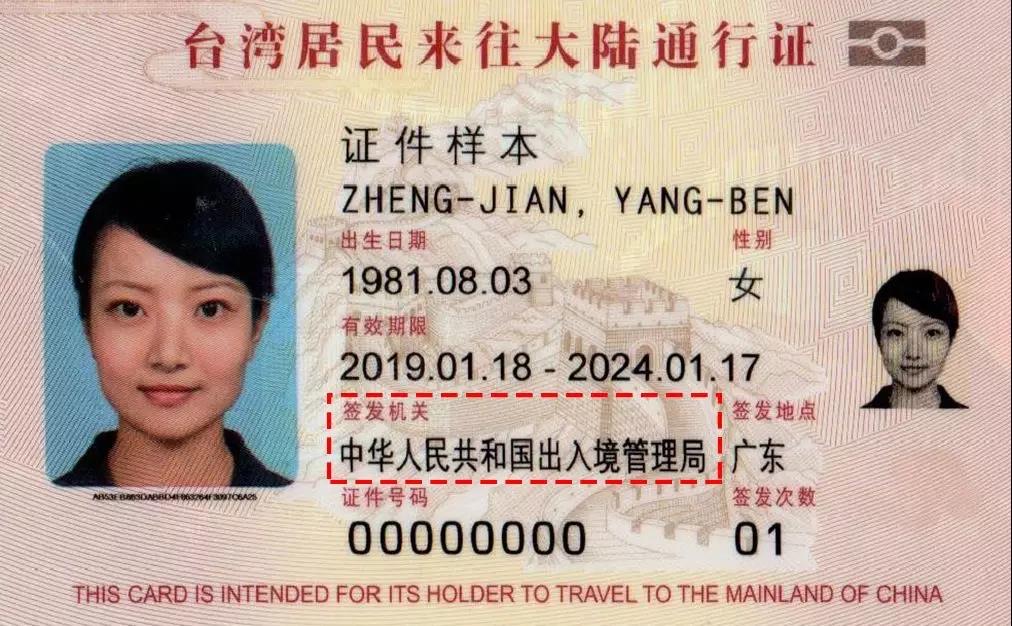
In the mainland the 台胞证 is your identity document for hotels, trains, payment apps and hospitals; a Taiwan passport is not used for these purposes. As of October 2026, first-time applicants pay no mainland permit fee between 1 July 2025 and 31 December 2027 under a Ministry of Finance and NDRC notice. Renewals and any agency service charges are separate.
At the hospital, expect this:
- Staffed registration counter: yes. Desks accept the 台胞证 and issue a hospital card or patient number.
- Self-service kiosks and WeChat booking: hit-and-miss. Many systems were designed around the 18-digit mainland ID card plus a mainland phone number. Taiwanese patients have described being unable to register online and having to go to a counter in person to get a hospital card first. Systems have improved since, but it still varies by city and hospital.
- One identity per workflow. If you hold both a 台胞证 and a residence permit, they have different numbers. Records created under one may not show up under the other, so use the same document for booking, insurance and reports.
Practical rule: make your first visit in person at a counter, ask for a hospital card, and only then try the hospital's app. For the general walk-through, see your first hospital visit without a Chinese ID.
Paying: self-pay, insurance, or both
Self-pay visitors pay the same listed prices as local patients without insurance. Ordinary public-hospital consultations are cheap by Taiwan standards; VIP and international departments charge much more. Bring a payment method that works for you — see payments with Alipay and WeChat. Cash in RMB remains a fallback at hospital cashiers.
Mainland medical insurance is open to Taiwan residents who live there. The 2019 interim measures on social insurance for Hong Kong, Macau and Taiwan residents set the basic rules:
| Your situation | Insurance you join |
|---|---|
| Employed by a mainland employer | Employee social insurance, including basic medical insurance — this is mandatory |
| Living in the mainland, not employed | Local urban-rural resident medical insurance, with a residence permit |
| Studying at a mainland university | Same resident medical insurance as mainland students |
The residence permit itself comes from the 2018 State Council measures. Eligible Taiwan residents who have lived in a mainland city for at least half a year and meet employment, residence or study conditions can apply, and the permit entitles them to basic public services in their place of residence.
Fujian and Xiamen: the most Taiwan-friendly rules

Fujian has gone furthest. A 2023 central-government opinion on building a cross-strait integration demonstration zone in Fujian calls for Taiwan compatriots in Fujian to be covered by social security and for Taiwan medical professionals to practise there under the rules. Fujian's healthcare security administration followed up in 2024:
- Taiwan residents in Fujian can enrol in medical insurance with either the residence permit or the 台胞证.
- They can activate the mainland medical insurance e-code (医保码) to pay at designated hospitals and pharmacies.
- The notice includes help with Taiwan NHI refund paperwork, and Taiwan-invested medical institutions can join the designated insurance network.
If you are near the coast and want the smoothest experience, Xiamen and Fuzhou are the natural choices. Browse hospitals in Xiamen and read the Xiamen city guide.
Claiming from Taiwan NHI
Many Taiwanese patients assume they can claim mainland bills back home. The law is narrower than that:
- Only unexpected emergencies or sudden illness during a stay abroad qualify (NHI Act Article 55). Planned care — dental implants, elective surgery, checkups — does not.
- Six-month deadline: apply within six months of the outpatient or emergency visit or of discharge (Article 56).
- Capped refund: costs abroad are refunded up to a ceiling based on NHI's average payment per emergency visit, outpatient visit or inpatient day in the previous quarter. Caps are published each quarter.
- Paperwork: keep original receipts, an itemised expense statement and a diagnosis certificate. Mainland documents may need extra certification, especially for longer hospital stays, so check requirements with NHI before you file.
Before you leave the mainland, ask the hospital for the diagnosis certificate (诊断证明书), the itemised bill (费用明细) and copies of key reports. These are hard to get afterwards. See medical records and follow-up.
Limits and honest caveats
- No automatic record sharing. Mainland and Taiwan hospital records do not connect. Bring paper copies and imaging on disc or download.
- Insurance coverage is local. Mainland resident insurance is enrolled in a specific city. Using it elsewhere needs cross-region filing, and it does not pay for care in Taiwan.
- Elective trips are self-funded. If you are travelling mainly for dental work or a checkup, budget for the full cost. Compare options in dental tourism compared and health checkup packages explained.
- Emergencies first, paperwork second. In an emergency, call 120 and go to the nearest emergency department. Your 台胞证 is enough to be treated. See emergencies in China.
Next steps
- Find hospitals in Xiamen, Shanghai or Shenzhen.
- Write to a hospital's international or outpatient office in Chinese with the inquiry letter tool.
- Plan dates, costs and follow-up with the CareAtlas planner.
Domande frequenti
Which ID do Taiwan residents use at a mainland hospital?
The Mainland Travel Permit for Taiwan Residents (台胞证). Manual registration counters accept it everywhere; self-service kiosks and some hospital apps have historically been built only for mainland ID cards, so the first visit is usually at a staffed desk.
Can Taiwan residents join mainland medical insurance?
Yes. Under the 2019 interim measures, Taiwan residents employed in the mainland must join employee social insurance, and those not employed can join local resident medical insurance with a Taiwan Residents' Residence Permit. Fujian also accepts the 台胞证 for enrolment.
Is the 台胞证 free in 2026?
First-time applicants pay no mainland permit fee from 1 July 2025 to 31 December 2027 under a Ministry of Finance and NDRC notice published by the National Immigration Administration. Renewals and agent service fees are not covered by that waiver.
Will Taiwan NHI reimburse treatment I receive in the mainland?
Only for unexpected emergencies or sudden illness abroad, and only up to caps tied to NHI's average payments. Planned treatment — dental work, elective surgery, checkups — is not reimbursed. You must apply within six months of the visit or discharge.
What documents do I need for a Taiwan NHI refund?
Keep original receipts, an itemised expense list and a diagnosis certificate from the mainland hospital. Longer hospital stays need extra verification of mainland documents, so ask the NHI branch before you leave which certifications apply to your case.
Comments
No comments in this language yet.