Xiamen
FujianUna tranquilla città insulare sulla costa sud-orientale della Cina, adatta a un periodo di recupero.
Airports: Xiamen Gaoqi International Airport (XMN)
Best months to visit: Oct · Nov · Dec · Jan
Ultimo aggiornamento:
Key facts
Hospitals and clinics listed for Xiamen (Fujian) in the CareAtlas directory: 5. Main airports: Xiamen Gaoqi International Airport (XMN). Best months to visit: Oct · Nov · Dec · Jan.
- Province: Fujian
- Airports: Xiamen Gaoqi International Airport (XMN)
- Best months to visit: Oct · Nov · Dec · Jan
- Hospitals listed: 5
- Treatments at listed hospitals: Chirurgia refrattiva (SMILE / LASIK / ICL), Intervento di cataratta (impianto di lente intraoculare), Check-up sanitario executive, Valutazione cardiologica
- Last updated:
Pubblicato da CareAtlas · Politica editoriale
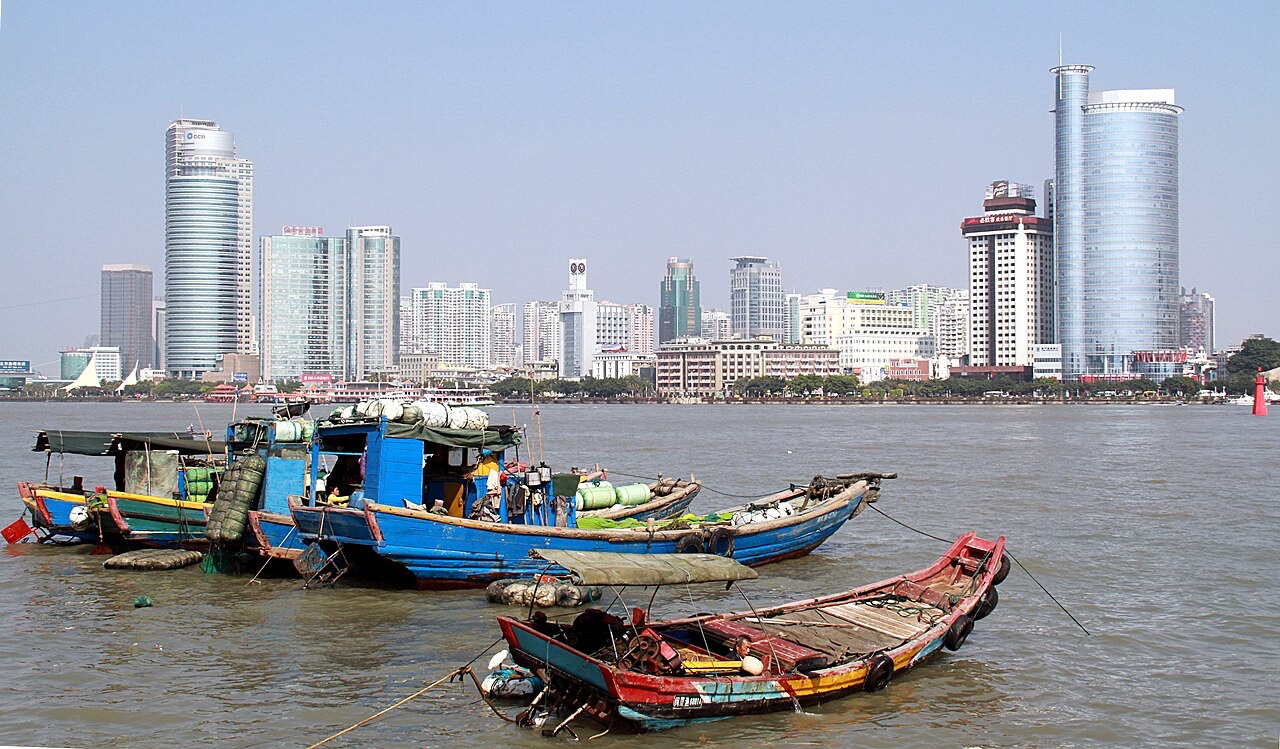
Xiamen, a coastal city of islands in Fujian Province on China's southeast coast, is a different proposition from the megacity medical hubs: smaller, slower and exceptionally pleasant to recover in. It has solid university hospitals — one opened a dedicated international department in 2025 — while complex or rare procedures may still be better served in Guangzhou or Shanghai. This guide covers who Xiamen suits, how to get there during an unusual airport transition year, and how to build a treatment trip around its sea-air scenery.
The medical landscape
Xiamen's hospital scene centres on the affiliated hospitals of Xiamen University:
- Zhongshan Hospital of Xiamen University formally unveiled an International Medical Department in June 2025. According to the Fujian Provincial Health Commission, it brings together an international team of specialists from multiple departments, offers health management and specialist diagnosis and treatment for patients from home and abroad, and runs a reception centre with a 24-hour hotline that can arrange remote expert consultations for difficult cases[3]. The hospital's own site carries an International Medical Center section with booking information[4].
- The First Affiliated Hospital of Xiamen University reports that it was the first hospital in Fujian Province to pass JCI accreditation (announced on its site in 2015)[5]. JCI status requires periodic re-survey, so treat this as a quality signal from that period and verify the current status with the hospital or JCI's directory if accreditation matters to your insurer.
Be realistic about scale: Xiamen does not have the depth of international-patient infrastructure found in Beijing, Shanghai or Guangzhou, and published English-language service details are thin. Unknowns worth asking about directly: English medical records, interpreter availability, and whether your specific treatment is offered to international patients at all. Use the bilingual inquiry letter tool to ask precisely, and browse hospitals in Xiamen in our directory.
Xiamen works well for: health check-ups, dental and ophthalmology visits, traditional Chinese medicine courses, and follow-up or recuperation stays after treatment elsewhere in China. For major surgery with complex aftercare, weigh the larger hubs first — see choosing a hospital.
Getting there — note the airport switchover
As of October 2026, Xiamen is served by Gaoqi International Airport (XMN), conveniently located on Xiamen Island itself, with direct flights around East and Southeast Asia and a handful of longer routes. A major change is imminent: the new Xiang'an International Airport — built for 45 million passengers a year — is slated to be put into operation by the end of 2026[6], and the airport authority has announced that Gaoqi will close to civil transport when Xiang'an opens[7]. If you are flying around the end of 2026 or later, check which airport appears on your ticket and allow extra ground-transfer time for Xiang'an, which lies off-island, east of the city.
By rail. Xiamen sits on China's coastal high-speed corridor, with frequent trains north toward Fuzhou and Shanghai and south toward Shenzhen; Xiamen North station on the mainland side is the main high-speed hub, connected to the island by metro. If you are already being treated in Guangdong, rail is often simpler than flying.
Visas and the 240-hour rule. Nationals of 57 countries — including the US, UK, Russia and most EU states — may enter China visa-free for up to 240 hours (10 days) in transit to a third country or region through designated ports[1]. Crucially for this region, the December 2024 expansion extended the permitted stay area to the whole of Fujian Province[2], so a Xiamen-based itinerary is compatible with the policy. Confirm your intended entry port against the NIA's current list of 65 designated ports before booking[1]. The policy's listed activities are tourism, business, visits and family reunions — it does not explicitly address medical appointments, so for planned treatment a regular visa is the safer choice: see visa and entry.
Where to stay
Both hospitals named above are on Xiamen Island, so island hotels are the practical default:
- Siming District (around Zhongshan Road / Hubin) — central, walkable, dense with hotels and food; closest to the university hospitals.
- Island Ring Road (Huandao Road) area — seafront hotels with recovery-friendly promenades at the door; slightly farther from the hospitals, an easy taxi ride.
- Jimei or Xiamen North station area — only worth it if your plans revolve around high-speed rail connections.
Hotel prices spike during holiday weeks (especially the October National Day week and Chinese New Year); book early or avoid those dates. More tactics in accommodation near hospitals.
Combining treatment with travel
Xiamen may be China's most natural "recovery city". Gulangyu (Kulangsu) — a small island facing the city, reached only by ferry — is a UNESCO World Heritage site preserved as a historic international settlement of villas, gardens and lanes, with daily visitor numbers capped at 35,000 to protect the island[10]; it is entirely free of cars, which makes for calm, unhurried walking. On the main island, the Island Ring Road's flat seaside promenade, the Shapowei café quarter and Nanputuo Temple's quiet courtyards all suit low-exertion days. An example rhythm (an example, not medical advice): appointments or tests in the morning, an afternoon rest, then a sunset hour by the sea. Ferries and crowds are the main things to manage — book Gulangyu tickets in advance and avoid weekends. Before fixing dates, read combining treatment and travel and recovery-friendly activities.
Climate: mild winters, wet springs, typhoon summers
Xiamen's climate normals make the planning calendar clear: October to January is dry (25–37 mm of rain per month) with mild highs of roughly 17–27 °C, while March to June is the wet season (99–196 mm per month) and July–August is hot (highs around 32 °C)[8]. On the South China coast, tropical cyclones normally occur from May to November, most prevalently around September[9]; Xiamen's exposed coastal position means a typhoon can halt ferries — including the Gulangyu crossing — and close clinics for a day or two. For a medical trip, October to January offers the best odds of smooth logistics; if you must travel in late summer, build buffer days around key appointments.
Practical tips
- Language. Mandarin is universal; the local Minnan (Hokkien) dialect is widely spoken; English is less available than in first-tier cities, so plan interpreter support for anything clinical — language and interpreters.
- Payments. Set up Alipay or WeChat Pay before arrival; small vendors rarely take foreign cards — payments.
- Getting around. Metro lines, buses and cheap taxis cover the island; the BRT crosses to the mainland districts — getting around.
- Records. Ask the hospital in advance whether reports can be issued in English, and carry prior imaging and a medication list — medical records and follow-up.
- Limits. If you need guaranteed English-speaking specialist care or complication backup in your language, a bigger hub may serve you better; it is a short flight or train from Xiamen if plans change.
Next steps
Compare hospitals in Xiamen, write a first inquiry with the bilingual inquiry letter tool, and use the CareAtlas planner to schedule treatment days, rest days and a Gulangyu afternoon in one itinerary.
Domande frequenti
Which Xiamen hospitals serve international patients?
Zhongshan Hospital of Xiamen University opened a dedicated International Medical Department in June 2025 with a 24-hour reception hotline, and the First Affiliated Hospital of Xiamen University was the first in Fujian to pass JCI accreditation (2015). Confirm current English services directly before travelling.
Can I visit Xiamen without a Chinese visa?
Nationals of 57 countries can use the 240-hour visa-free transit policy when continuing to a third country or region, and the permitted stay area covers all of Fujian Province. Check the NIA's current port list and rules, or apply for a regular visa.
Which airport does Xiamen use?
As of October 2026, flights use Xiamen Gaoqi International Airport (XMN) on Xiamen Island. The new Xiang'an International Airport is slated to enter operation around the end of 2026, replacing Gaoqi — check which airport is on your ticket if you fly late in the year.
When is the best season for a medical trip to Xiamen?
October to January: mild (highs around 17–27 °C) and dry. March to June is the rainy season, and typhoons are possible roughly May to November, peaking in late summer.
Is Xiamen a good place to recover after treatment?
Its flat seaside promenades, ferry ride to car-free Gulangyu Island and relaxed pace make gentle, low-exertion days easy to plan — but always follow your doctor's activity restrictions.
Riferimenti (10)
- [1]Visa-Free Transit Policies — National Immigration Administration (consultato 2026-10-12)↩
- [2]China's Visa-Free Transit Policy Fully Relaxed and Optimized — National Immigration Administration (consultato 2026-10-12)↩
- [3]厦大附属中山医院国际医疗部揭牌 (International Medical Department of Zhongshan Hospital unveiled) — Fujian Provincial Health Commission (consultato 2026-10-12)↩
- [4]Zhongshan Hospital of Xiamen University — homepage (International Medical Center section) — Zhongshan Hospital of Xiamen University (consultato 2026-10-12)↩
- [5]厦门大学附属第一医院全省首家通过国际JCI认证 — 厦门大学附属第一医院 (consultato 2026-10-12)↩
- [6]Xiang'an Int'l Airport under construction in Xiamen, China's Fujian — The State Council of the People's Republic of China (Xinhua) (consultato 2026-10-12)↩
- [7]Xiamen Gaoqi International Airport — Baidu Baike (consultato 2026-10-12)↩
- [8]World Weather Information Service — Xiamen — World Meteorological Organization (data: China Meteorological Administration) (consultato 2026-10-12)↩
- [9]Precautionary Measures when Tropical Cyclone Warning Signals are in force — Hong Kong Observatory (consultato 2026-10-12)↩
- [10]Kulangsu, a Historic International Settlement — UNESCO World Heritage Centre (consultato 2026-10-12)↩
Worth seeing
Isola di Gulangyu (Kulangsu)
Isola senza auto iscritta all’UNESCO, raggiungibile con un breve tragitto in traghetto; ville storiche e vicoli tranquilli.
≈ 5 h
Tempio Nanputuo
Sereno tempio buddhista accanto all’Università di Xiamen; cortili pianeggianti e salita sulla collina facoltativa.
≈ 2 h
Strada anulare dell’isola (Huandao Road)
Passeggiata e pista ciclabile sul mare; percorrete a piedi o in bici un breve tratto con vista sull’oceano.
≈ 3 h
Via pedonale Zhongshan
Via commerciale porticata con snack Minnan; pianeggiante e vivace, meglio la sera.
≈ 2 h
Zona artistica di Shapowei
Vecchio porto trasformato in un quartiere di caffè e gallerie; piccolo, pianeggiante e rilassato.
≈ 2 h