شنغهاي
Shanghaiأكبر مركز طبي في برّ الصين الرئيسي، مع مطارين دوليين وشبكة السكك الحديدية لدلتا نهر اليانغتسي في متناول اليد.
Airports: Shanghai Pudong International Airport (PVG) · Shanghai Hongqiao International Airport (SHA)
Best months to visit: Mar · Apr · May · Sep · Oct · Nov
آخر تحديث:
Key facts
Hospitals and clinics listed for شنغهاي in the CareAtlas directory: 30. Main airports: Shanghai Pudong International Airport (PVG) · Shanghai Hongqiao International Airport (SHA). Best months to visit: Mar · Apr · May · Sep · Oct · Nov.
- Province: Shanghai
- Airports: Shanghai Pudong International Airport (PVG) · Shanghai Hongqiao International Airport (SHA)
- Best months to visit: Mar · Apr · May · Sep · Oct · Nov
- Hospitals listed: 30
- Treatments at listed hospitals: زراعة الأسنان, تيجان الأسنان والقشور التجميلية, فحص الأسنان وتنظيفها, علاج قناة الجذر, تقويم الأسنان (الأجهزة التقويمية والقوالب الشفافة) … +12
- Last updated:
نشره CareAtlas · السياسة التحريرية
Shanghai is mainland China's largest and most internationally connected medical destination. The city government maintains an English-language portal listing major hospitals that serve international patients, from century-old university hospitals to a dedicated proton and heavy-ion radiotherapy center[2]. Two international airports, a 240-hour visa-free transit option for 57 nationalities[1], and high-speed trains to Suzhou, Hangzhou and Nanjing make it the natural anchor for a treatment-plus-travel itinerary in eastern China.
Shanghai's medical landscape
Shanghai concentrates many of China's best-known public teaching hospitals, and the municipal government publishes an official English list of hospitals offering international medical services, with addresses, service hours and contact points[2]. Hospitals on that list include:
- Zhongshan Hospital (Fudan University) — founded in 1937; the city portal highlights its strength in cardiovascular disease, liver cancer, renal and pulmonary conditions. International service entrance at 10B Gate, 111 Yixueyuan Road, Xuhui, open weekdays 8 am–5 pm and Saturday mornings[2].
- Huashan Hospital (Fudan University) — founded by the Red Cross Society of China in 1907; international outpatient service on the 8th floor of Building 1, 12 Middle Wulumuqi Road, Jing'an, weekdays 8 am–5 pm[2].
- Ruijin Hospital (Shanghai Jiao Tong University School of Medicine) — a large general hospital in Huangpu with international outpatient hours Monday–Saturday[2].
- Renji Hospital — Shanghai's oldest Western-medicine hospital (1844), noted by the portal for gastroenterology, rheumatology, cardiology, obstetrics and gynecology, nephrology and more[2].
- Shanghai Ninth People's Hospital — listed for plastic surgery, oral medicine and orthopedics[2].
- Huadong Hospital — described by the city as the earliest medical center providing healthcare services for expatriates in Shanghai, with a 24-hour service point[2].
- Shanghai Proton and Heavy Ion Center — a specialist particle-radiotherapy facility in Pudong[2].
- Longhua Hospital (Shanghai University of TCM) — for traditional Chinese medicine within a major teaching hospital[2].
On the private side, Jiahui Health operates Jiahui International Hospital in Shanghai together with clinics in Jing'an and Yangpu, and publishes a dedicated contact channel for international patient inquiries[3].
A public hospital's international division is not the same as the hospital itself: it is a separate reception with higher fees, shorter queues and more English support, while the operating doctors come from the same departments. Availability of specific specialists through the international line varies, so confirm your case by email before booking flights — our bilingual inquiry letter tool helps you ask the right questions. Browse sourced profiles in the Shanghai hospital directory, and read how international departments work and how to choose a hospital.
Getting there
Shanghai has two major airports. Pudong International (PVG) handles most intercontinental flights and sits about 30 km east of the center, linked by metro line 2, the Maglev and taxis. Hongqiao International (SHA) is close to the city's west side and shares a hub with Hongqiao Railway Station, convenient if you arrive from elsewhere in Asia or connect to high-speed rail.
Visas. As of October 2026, China's 240-hour visa-free transit policy covers nationals of 57 countries — including the US, UK, Russia, most EU states, Canada, Australia, Brazil and Japan — who transit through China to a third country or region. Shanghai Hongqiao Airport, Pudong Airport and the Shanghai passenger port are designated entry ports, with Shanghai Municipality as the permitted stay area, and cross-province travel is allowed within the permitted areas of 24 provinces[1]. Ten days suits consultations, imaging, dental work or a health check — but not treatment plans with longer recovery. For surgery or multi-week courses, apply for an ordinary visa instead; see our visa and entry guide. Rules change, so always verify current conditions on the National Immigration Administration site before booking[1].
Where to stay
Pick your base around your hospital, not around the skyline:
- Jing'an / Former French Concession (Xuhui) — walking or short taxi distance to Huashan, Zhongshan, Ruijin and Longhua; dense with hotels of every class, serviced apartments, cafés and pharmacies.
- People's Square / Nanjing Road (Huangpu) — central, metro-rich, good for Ruijin and general access.
- Pudong (Lujiazui or Jinqiao) — practical for the Proton and Heavy Ion Center, Renji's east campus area and quick airport access.
Serviced apartments with kitchens are widely available and work well for stays over a week or for companions; hospitals do not generally arrange accommodation. Book refundable rates until your appointment is confirmed. More in accommodation near hospitals and traveling with companions.
Combining treatment with sightseeing
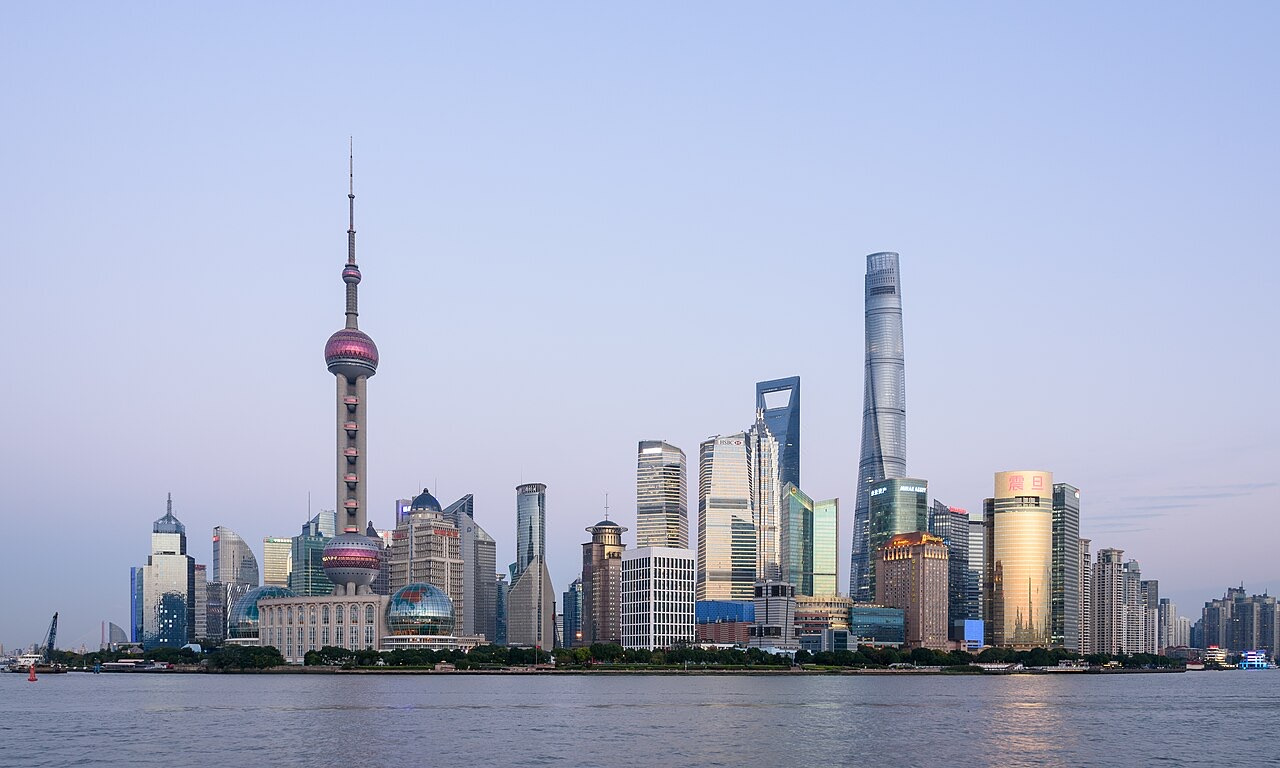
Shanghai rewards slow, low-exertion exploring, which fits recovery days well: the Bund riverfront, the Shanghai Museum, Yu Garden, and quiet streets of the former French Concession are all flat, central walks. Save the Shanghai Tower observation deck or a Zhujiajiao water-town trip for days when you feel strong, and clear any activity after a procedure with your doctor first — see recovery-friendly activities.
Shanghai is also the hub of the Yangtze Delta high-speed rail network. Nonstop trains reach Suzhou in roughly 25–40 minutes, Hangzhou in about 45–75 minutes, and Nanjing in around 1–1.5 hours, mostly from Hongqiao Railway Station. Example: a two-week dental or health-check itinerary might alternate Shanghai appointment days with a Suzhou garden day and a West Lake day in Hangzhou — this is an example, not a treatment plan. See combining treatment and travel and sample itineraries.
Climate and best season
- Spring (late March–May): mild, 15–25 °C, the most comfortable window.
- Plum-rain season (mid-June–early July): persistent rain and humidity.
- Summer (July–August): hot, humid, 30–38 °C; fine for indoor-focused trips.
- Typhoon season (August–September): occasional storms can disrupt flights.
- Autumn (late September–November): dry, clear, 15–25 °C — the other ideal window.
- Winter (December–February): 0–10 °C, damp cold; hospitals quieter except around Chinese New Year, when outpatient schedules shrink for about two weeks.
Avoid the National Day holiday (first week of October) and Chinese New Year (January or February, dates vary) — trains and hotels sell out and many clinics run reduced schedules.
Practical tips
- Payments: major hospitals accept bank cards in their international divisions, but set up Alipay or WeChat Pay linked to your foreign card for everything else — see payments in China.
- Connectivity: install a translation app, an eSIM or local SIM, and a VPN-dependent service check before departure — see apps and connectivity.
- Language: international divisions usually manage English; elsewhere, a phone translator or hired interpreter helps — see language and interpreters.
- Getting around: the metro is vast, cheap and has English signage; Didi (ride-hailing) works with foreign cards — see getting around.
- Emergencies: dial 120 for an ambulance; see emergency care in China.
- Records: ask every hospital for copies of reports and imaging before you leave — see medical records and follow-up.
Limits to plan for
Shanghai's strengths don't remove the structural limits of medical travel: complications after you fly home must be handled by local doctors, multi-stage treatments need repeat trips, and follow-up imaging or labs may not transfer seamlessly. Build a follow-up plan with your home physician before you commit, and read risks and complications.
Next steps
Compare sourced hospital profiles in the Shanghai directory, draft a first contact with the bilingual inquiry letter tool, or let the CareAtlas planner build a personalized treatment-plus-travel plan.
الأسئلة الشائعة
Do Shanghai hospitals have English-speaking services?
Many large public hospitals run international or VIP divisions with separate reception and published service hours, and the city government lists them on an English portal. Language ability still varies by department, so confirm in writing before you travel.
Can I visit Shanghai without a Chinese visa?
As of October 2026, nationals of 57 countries transiting to a third country or region can use China's 240-hour visa-free transit policy; Shanghai Hongqiao and Pudong airports are designated entry ports. Everyone else needs an ordinary visa.
When is the best season for a medical trip to Shanghai?
Late March to May and late September to November offer mild weather. June–July is the rainy plum season, August–September brings typhoon risk, and midsummer is hot and humid.
Can I combine treatment in Shanghai with sightseeing?
Yes, if your doctor agrees. Suzhou is roughly half an hour away by high-speed rail and Hangzhou about an hour, so gentle day trips are realistic between appointments — but plan around tests, procedures and recovery limits.
Should I choose a public international division or a private hospital?
Public international divisions give access to large teaching-hospital specialists at higher fees than regular lines; private international hospitals focus on service, English-speaking staff and insurance billing. Compare both for your condition and budget.
المراجع (3)
- [1]Visa-Free Transit Policies — National Immigration Administration (تاريخ الاطلاع 2026-10-12)↩
- [2]Shanghai: International Medical Services — Shanghai Municipal People's Government (تاريخ الاطلاع 2026-10-12)↩
- [3]Jiahui Health — Locations — Jiahui Health (تاريخ الاطلاع 2026-10-12)↩
Worth seeing
ممشى البوند
ممشى على ضفة النهر تصطف على جانبيه واجهات من الحقبة الاستعمارية وتطل على أفق بودونغ؛ مساره مستوٍ وسهل في أي وقت.
≈ 2 h
حديقة يو والبازار
حديقة كلاسيكية من عهد أسرة مينغ، بجوار بازار في البلدة القديمة يضم الهدايا التذكارية والوجبات الخفيفة.
≈ 2 h
متحف شنغهاي
مجموعة بارزة من البرونزيات والخزف والخط في ساحة الشعب؛ الدخول مجاني، والمتحف مغلق يوم الاثنين.
≈ 3 h
الامتياز الفرنسي السابق
شوارع تصطف عليها أشجار الدلب حول طريق ووكانغ، مع مقاهٍ ومتاجر؛ مناسبة للتنزه الهادئ.
≈ 3 h
منصة مشاهدة برج شنغهاي
إطلالة على المدينة من أحد أطول مباني العالم في لوجياتسوي.
≈ 2 h
بلدة تشوجياجياو المائية
بلدة قنوات وجسور حجرية عند الطرف الغربي للمدينة؛ رحلة نصف يوم بالمترو أو سيارة الأجرة.
≈ 4 h
شينتياندي وتيانزيفانغ
أزقة شيكومن مرممة تحولت إلى أحياء للمطاعم والمعارض؛ مناسبة لأمسية هادئة بلا استعجال.
≈ 2 h
مجمع معبد لونغهوا
أكبر مجمع معابد قديم في شنغهاي، ويضم معبدًا من سبعة طوابق، بالقرب من مستشفيات شيويهوي.
≈ 2 h