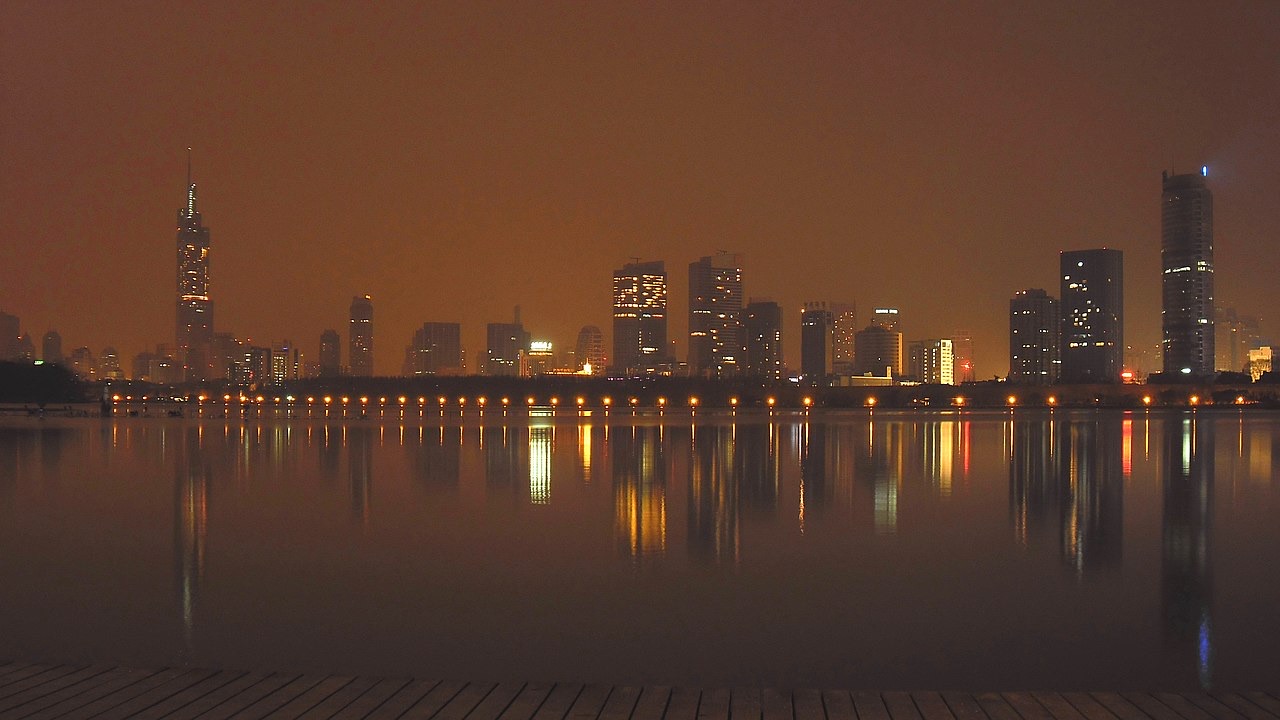
نانجينغ
Jiangsuعاصمة تاريخية سابقة تقدم خدمات طبية بمستوى المدن الكبرى وتكلفة أقل من شنغهاي، وتبعد نحو ساعة بقطار سريع.
Airports: Nanjing Lukou International Airport (NKG)
Best months to visit: Apr · May · Oct · Nov
آخر تحديث:
Key facts
Hospitals and clinics listed for نانجينغ (Jiangsu) in the CareAtlas directory: 7. Main airports: Nanjing Lukou International Airport (NKG). Best months to visit: Apr · May · Oct · Nov.
- Province: Jiangsu
- Airports: Nanjing Lukou International Airport (NKG)
- Best months to visit: Apr · May · Oct · Nov
- Hospitals listed: 7
- Treatments at listed hospitals: زراعة الأسنان, علاج قناة الجذر, تقويم الأسنان (الأجهزة التقويمية والقوالب الشفافة)
- Last updated:
نشره CareAtlas · السياسة التحريرية
Nanjing, the capital of Jiangsu Province, is eastern China's quieter heavyweight: a city of six ancient dynasties with a dense cluster of teaching hospitals, an official English list of healthcare providers for foreigners[2], its own international airport on the 240-hour visa-free transit port list[1], and high-speed rail that puts Shanghai, Suzhou and Hangzhou within easy reach.
Nanjing's medical landscape
The Nanjing Foreign Affairs Office publishes an English guide to international healthcare in the city[2]. Providers it lists include:
- Taikang Xianlin Drum Tower Hospital — a tertiary general hospital in Xianlin University City (Qixia District) with 500 inpatient beds, 12 operating rooms and 24-hour A&E; the city describes it as a member of the Nanjing Drum Tower Hospital Group, an affiliated hospital of Nanjing University's Medical School and an affiliated hospital of The Mount Sinai Hospital, New York[2].
- Nanjing First Hospital — dating to 1936; its International Medical Department provides an interpreter for each patient, according to the city's guide[2].
- BenQ Medical Centre — described as a popular choice among local expats, staffed by local specialists with visiting Taiwanese doctors[2].
- Guze Clinic — a private clinic spanning internal medicine, surgery, gynecology, pediatrics, TCM, dermatology, ophthalmology, plastic surgery, rehabilitation and more[2].
- Global Doctor International Medical Centre — family medicine, specialist services and 24-hour emergency assistance for expatriates[2].
- Raffles Medical and Hscybele (women and children) also appear on the list with English-language service notes[2].
Nanjing's biggest public university hospitals treat enormous volumes, but their international-facing pathways are less publicized in English than Shanghai's or Hangzhou's; expect first contact in Chinese or via an intermediary, and verify interpreter arrangements, insurance terms and campus details in writing before travel. Start from sourced profiles in the Nanjing hospital directory, use the bilingual inquiry letter tool, and read how international departments work.
Getting there
Nanjing Lukou International Airport (NKG) lies about 40 km south of the center, connected by metro line S1 and taxis, with direct flights across Asia and selected longer routes. Alternatively, fly into Shanghai and take the train: Nanjing South station is about 1–1.5 hours from Shanghai Hongqiao on the busiest high-speed corridor in the country.
Visas. As of October 2026, China's 240-hour visa-free transit policy covers nationals of 57 countries transiting to a third country or region. Nanjing Lukou International Airport is a designated entry port, the permitted stay area is Jiangsu Province, and cross-province travel between the permitted areas of 24 provinces is allowed — so combining Nanjing with a Shanghai arrival or departure works under the policy[1]. Ten days fits consultations, imaging, dental or checkup programs; longer treatment needs an ordinary visa — see visa and entry and re-check the NIA site before booking[1].
Where to stay
- Xinjiekou (city center) — Nanjing's commercial heart, with the widest hotel choice and metro lines radiating to most hospitals.
- Gulou / Drum Tower area — near several major public hospital campuses and Nanjing University; practical for repeat outpatient visits.
- Xianlin (Qixia District) — the university-city area around Taikang Xianlin Drum Tower Hospital; newer hotels, 30–45 minutes from the center by metro.
Serviced apartments cluster around Xinjiekou and Hexi for longer stays. See accommodation near hospitals and traveling with companions.
Combining treatment with sightseeing
Nanjing's headline sights ask more legs than Suzhou's gardens, so sequence them around your energy: the Sun Yat-sen Mausoleum climb (almost 400 steps) and Purple Mountain trails are for strong days, while Xuanwu Lake's flat lakeside loop, the Presidential Palace, the Nanjing Museum and an evening along the Qinhuai River at the Confucius Temple suit recovery pacing. The Memorial Hall of the Nanjing Massacre Victims is moving and historically essential; plan a quiet afternoon. Check post-procedure activity limits with your doctor — see recovery-friendly activities.
By rail, Shanghai is about 1–1.5 hours away, Suzhou roughly an hour, Hangzhou about 1–2.5 hours depending on the service. Example: a 12-day plan might open with consultations in Nanjing, continue to Suzhou for a recovery weekend, and close with follow-up and departure in Shanghai — an example, not a treatment plan. See combining treatment and travel and sample itineraries.
Climate and best season
- Spring (late March–May): 15–25 °C; plum and cherry blossom at Purple Mountain in March.
- Plum rains (mid-June–early July): humid and wet.
- Summer (July–August): one of China's famous "furnace" cities — 35 °C+ is routine; plan indoor days.
- Autumn (October–November): dry, clear, 12–22 °C; ginkgo and maple season on Purple Mountain.
- Winter (December–February): 0–8 °C, damp, occasional snow.
Avoid the first week of October and the Chinese New Year period (January–February), when travel peaks and clinic schedules shrink.
Practical tips
- Payments: set up Alipay or WeChat Pay with your foreign card; see payments in China.
- Getting around: an extensive metro covers the hospital districts; Didi handles the rest — see getting around.
- Language: outside the listed international-facing providers, expect Chinese-first service; arrange an interpreter — see language and interpreters.
- Emergencies: dial 120 for an ambulance[2]; see emergency care in China.
- Records: collect reports and imaging after each visit — see medical records and follow-up.
Limits to plan for
Nanjing suits patients comfortable with a less English-packaged environment in exchange for major-city medicine and lower costs than Shanghai. Complex multi-stage treatment still means repeat trips; complications after returning home fall to your local system; and English-language documentation may take extra asking. Agree on follow-up with your home doctor first — see risks and complications.
Next steps
Compare sourced profiles in the Nanjing hospital directory, draft a bilingual first email with the inquiry letter tool, or let the CareAtlas planner build a Nanjing–Shanghai treatment-and-travel plan.
الأسئلة الشائعة
Which Nanjing providers serve international patients?
The Nanjing Foreign Affairs Office lists providers for foreigners including Taikang Xianlin Drum Tower Hospital, Nanjing First Hospital's International Medical Department (an interpreter per patient), BenQ Medical Centre, Guze Clinic and Global Doctor. Confirm current services directly before travel.
Can I enter Nanjing without a Chinese visa?
As of October 2026, nationals of 57 countries transiting to a third country can use the 240-hour visa-free transit policy; Nanjing Lukou International Airport is a designated port and the permitted stay area is Jiangsu Province. Others need an ordinary visa.
Is English widely available in Nanjing hospitals?
Less than in Shanghai. The city's official list highlights specific international-facing providers; large public hospitals otherwise work mostly in Chinese, so plan on an interpreter or translation app.
When is the best season for a Nanjing trip?
Late March–May and October–November. Nanjing is one of China's famous 'furnace' cities — July and August regularly exceed 35 °C — and winters are damp with occasional snow.
How does Nanjing connect to Shanghai, Suzhou and Hangzhou?
High-speed trains reach Shanghai in about 1–1.5 hours, Suzhou in roughly an hour, and Hangzhou in about 1–2.5 hours, making multi-city treatment-and-travel itineraries straightforward.
المراجع (2)
- [1]Visa-Free Transit Policies — National Immigration Administration (تاريخ الاطلاع 2026-10-12)↩
- [2]International Healthcare in Nanjing — Nanjing Foreign Affairs Office (تاريخ الاطلاع 2026-10-12)↩
Worth seeing
بحيرة شيوان وو
مسار دائري مستوٍ على ضفاف البحيرة بجوار سور المدينة؛ نزهة كلاسيكية بإيقاع مناسب للتعافي.
≈ 2 h
القصر الرئاسي
ساحات وحدائق مستوية في مقر الحكومة السابق؛ خصص نصف صباح لزيارة هادئة.
≈ 2 h
متحف نانجينغ
أحد المتاحف الكبرى في الصين، داخلي ومستوي المسارات؛ مناسب بين المواعيد.
≈ 3 h
معبد كونفوشيوس ونهر تشينهواي
مشاهد الفوانيس ليلًا ورحلات بالقوارب؛ المسارات مستوية لكنها مزدحمة في عطلة نهاية الأسبوع.
≈ 2 h
ضريح صن يات صن
نحو 400 درجة صعودًا إلى جبل الأرجوان؛ اترك الزيارة للأيام التي تكون فيها أقوى وفي وقت متأخر من التعافي.
≈ 3 h
جبل الأرجوان
مسارات غابية وألوان أشجار الجنكة والقيقب في الخريف؛ للمرضى القادرين على الحركة وبعد موافقة الطبيب.
≈ 4 h
قاعة ذكرى ضحايا مذبحة نانجينغ
موقع مؤثر وضروري لفهم التاريخ؛ خطط لزيارة هادئة بعد الظهر.
≈ 2 h