Xi'an
ShaanxiNorthwest China's medical hub, with flat museum-based sightseeing from the Terracotta Army to the city wall
Airports: Xi'an Xianyang International Airport (XIY)
Best months to visit: Apr · May · Sep · Oct
Terakhir diperbarui:
Key facts
Hospitals and clinics listed for Xi'an (Shaanxi) in the CareAtlas directory: 3. Main airports: Xi'an Xianyang International Airport (XIY). Best months to visit: Apr · May · Sep · Oct.
- Province: Shaanxi
- Airports: Xi'an Xianyang International Airport (XIY)
- Best months to visit: Apr · May · Sep · Oct
- Hospitals listed: 3
- Last updated:
Diterbitkan oleh CareAtlas · Kebijakan editorial
Xi'an, the capital of Shaanxi Province and of thirteen Chinese dynasties, is northwest China's medical center as well as its tourism icon. For international patients it offers large university teaching hospitals, direct visa-free transit entry through Xianyang airport for eligible nationalities[1], lower costs of stay than coastal metropolises, and — uniquely — world-class sightseeing that is mostly flat and museum-based, which suits recovery far better than mountain scenery does.
The medical landscape
Two institutions anchor the city's reputation for complex care.
The First Affiliated Hospital of Xi'an Jiaotong University (西安交通大学第一附属医院) is a major public teaching hospital with 3,765 planned ward beds and over 7,500 staff[3]. It maintains a full English-language website and states plainly that it is "prepared to provide services for international patients", with sections covering expert appointments, emergency care and an international treatment department[2]. That English-first posture is rarer in northwest China than on the coast, and it makes this hospital a natural first email for foreign patients.
Xijing Hospital (西京医院), the First Affiliated Hospital of the Air Force Medical University, was rated a Class A tertiary general hospital — China's top grade — in 1993, and functions as the diagnosis and treatment center for difficult and complicated diseases in China's northwest[4]. Its public profile emphasizes research-grade equipment and high surgical volumes[4]. Note that we found no dedicated international department advertised on its English pages; plan on bringing an interpreter or a Chinese-speaking companion.
As always, a hospital being large and famous does not mean its international desk covers your specialty, or that English support extends beyond reception. Verify in writing before booking flights — the bilingual inquiry letter tool structures that first contact — and compare sourced entries in the Xi'an hospital directory. Background reading: international departments explained and choosing a hospital.
Getting there
Xi'an Xianyang International Airport (XIY), about 40 km northwest of the center, is the gateway, with an airport metro line and intercity buses into town. It is listed by the National Immigration Administration as an eligible port for the 240-hour visa-free transit policy: as of October 2026, nationals of 57 countries transiting onward to a third country or region may enter and stay anywhere in Shaanxi Province for up to 10 days, for tourism, business or family visits[1]. Treatment that will exceed 10 days, or itineraries without a qualifying onward leg, need a regular visa — see visa and entry.
Xi'an is also one of China's great high-speed rail junctions: roughly 4.5 hours from Beijing and 5–6 from Chengdu or Shanghai on fast trains, which matters if your treatment plan involves consultations in more than one city.
Where to stay
- Near your hospital. The First Affiliated Hospital of Xi'an Jiaotong University sits south of the city wall in Yanta District[2]; the surrounding blocks have hotels at every price plus pharmacies and supermarkets. Xijing Hospital is east of the center on Changle West Road[4], a less touristy but well-connected area.
- Inside the city wall / Bell Tower area. Atmospheric and central, best for mobile patients and companions; expect crowds and noise near the Muslim Quarter.
- Qujiang / Big Wild Goose Pagoda area. Newer hotels, wider pavements, parks — the most comfortable district for a longer convalescent stay.
Choose refundable bookings until appointment dates are fixed, and favour rooms away from street-food lanes if you need quiet nights. More in accommodation near hospitals.
Combining treatment with sightseeing
Xi'an's headline sights are mostly level ground, which is good news for recovering patients:
- Museums first. The Shaanxi History Museum is indoor, flat and air-conditioned — an ideal first outing. Book tickets in advance.
- The Terracotta Army. The Mausoleum of the First Qin Emperor — the UNESCO-listed site 35 km northeast of Xi'an whose pits hold thousands of life-size terracotta soldiers[5] — is the trip most patients plan around. The excavation halls are level, with shuttle carts from the gate; the challenge is cumulative standing and crowds, not climbing. Allow an unhurried half day, go early, and sit between pits.
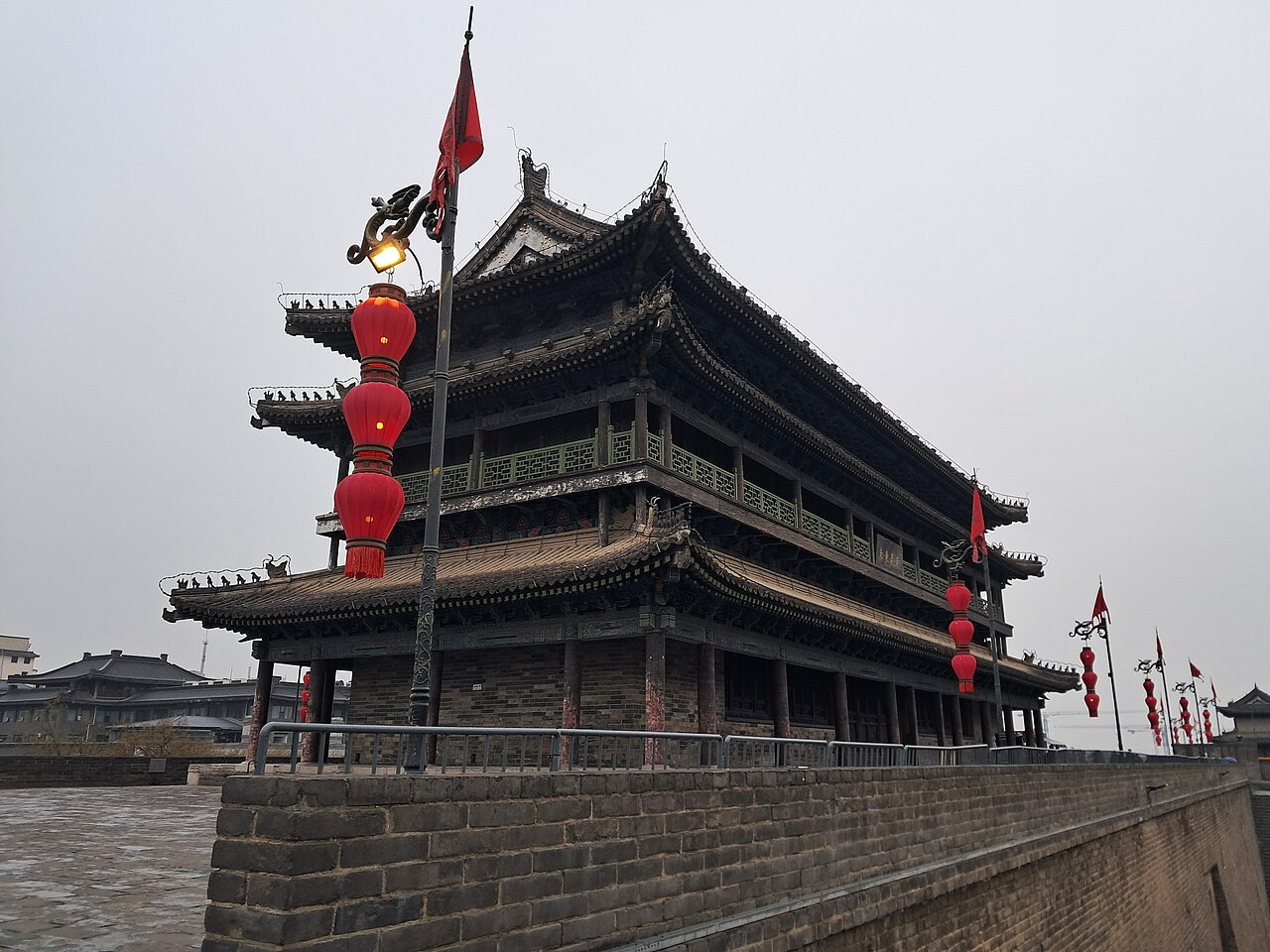
- City Wall. The restored Ming wall's top is broad and flat for strolling; access is via stairs or ramps at the gates. Cycling the full 14 km loop is for the fully recovered only.
- Big Wild Goose Pagoda and Daci'en Temple. Level temple grounds and evening fountain shows; climbing the pagoda's internal stairs is optional and skippable.
- Muslim Quarter. Flat but dense and crowded; go mid-morning for easier walking. Street food is delicious — but clear spicy, chewy or raw items with your doctor if you have had dental or gastrointestinal work.
Mount Hua, the vertiginous sacred peak two hours away, is not a recovery activity: extreme stairs, cable-car queues and altitude exposure. Leave it for a return visit. Pacing guidance by procedure is in recovery and travel activities, and multi-day structures in sample itineraries.
Climate and altitude
Xi'an sits at a modest elevation on the Guanzhong plain — altitude is not a medical concern. The climate is continental: April–May and September–October are mild and relatively dry, the best windows for convalescence. Summers run hot (frequently above 35 °C), which argues for early-morning sightseeing and midday rest; winters are cold and dry, with occasional winter smog episodes worth noting for respiratory patients — check daily air-quality readings and keep indoor days in reserve.
Practical tips
- Payments. Alipay and WeChat Pay dominate; link your foreign card before travelling and carry some cash as backup. See payments in China.
- Language. Less English than coastal cities, including in taxis. Save your hospital and hotel names in Chinese characters; book interpreters for anything consent-related — see language and interpreters.
- Getting around. The metro now covers most patient-relevant areas and is signed in English; Didi ride-hailing works well. See getting around.
- Emergencies. Dial 120 for an ambulance; keep your hotel card and diagnosis summary accessible. See emergency in China.
- Records. Request bilingual or English discharge summaries where available and imaging on disc — see medical records and follow-up.
Limits to plan around
English-language service depth is the main gap between Xi'an and Beijing or Shanghai: assume written Chinese records, interpreter-mediated consultations outside dedicated international services, and slower email responses. Complex treatment may need staged visits, and complications after you fly home will be handled by your local system — agree on a follow-up and complication plan with your treating doctor before departure. If a hospital cannot confirm in writing that it can treat your condition with language support you can use, keep comparing.
Next steps
Shortlist candidates in the Xi'an hospital directory, send a precise first inquiry with the bilingual letter tool, and let the CareAtlas planner draft a day-by-day plan that fits the Terracotta Army around your appointments rather than the other way round. For context, read combining treatment and travel and is it safe? quality standards.
Pertanyaan umum
Which Xi'an hospitals serve international patients?
The First Affiliated Hospital of Xi'an Jiaotong University maintains an English website with an international patient service section, and Xijing Hospital is the region's flagship military-affiliated teaching hospital. Compare sourced options in our directory.
Can I enter Xi'an without a visa?
Xi'an Xianyang International Airport is an eligible port for China's 240-hour visa-free transit policy. Nationals of 57 countries transiting to a third country or region can stay in Shaanxi up to 10 days as of October 2026; longer treatment needs a visa.
Is the Terracotta Army manageable during recovery?
The museum halls are level and about 35 km from the city, so it is mostly standing and slow walking. Plan a half day, use the site shuttle, and skip it immediately after surgery.
When is the best time of year for a medical trip to Xi'an?
April–May and September–October have mild, dry weather. Summers are hot, winters cold with occasional smog episodes — relevant if you have respiratory issues.
Do I need Chinese to manage appointments in Xi'an?
English coverage is thinner than in Beijing or Shanghai. Email hospitals in advance, and book an interpreter for consultations and consent paperwork.
Referensi (5)
- [1]Visa-Free Transit Policies — National Immigration Administration (diakses 2026-10-12)↩
- [2]The First Affiliated Hospital of Xi'an Jiaotong University (English site) — First Affiliated Hospital of Xi'an Jiaotong University (diakses 2026-10-12)↩
- [3]Introduction to the First Affiliated Hospital of Xi'an Jiaotong University — First Affiliated Hospital of Xi'an Jiaotong University (diakses 2026-10-12)↩
- [4]General information — Xijing Hospital — Air Force Medical University (diakses 2026-10-12)↩
- [5]Mausoleum of the First Qin Emperor — UNESCO World Heritage Centre (diakses 2026-10-12)↩
Worth seeing
Shaanxi History Museum
Indoor, flat and air-conditioned — an ideal first outing; book tickets in advance
≈ 3 h
Terracotta Army
UNESCO-listed pits 35 km northeast of town; level excavation halls with shuttle carts — go early, sit between pits
≈ 5 h
Xi'an City Wall
The restored Ming wall's top is broad and flat for strolling; cycling the full 14 km loop is for the fully recovered only
≈ 2 h
Big Wild Goose Pagoda & Daci'en Temple
Level temple grounds and evening fountain shows; climbing the pagoda's internal stairs is optional
≈ 2 h
Muslim Quarter
Flat but dense and crowded; go mid-morning for easier walking, and clear street food with your doctor
≈ 2 h
Bell Tower & Drum Tower
Twin Ming landmarks at the city's central crossroads; short visits, easy metro access
≈ 1.5 h