Hangzhou
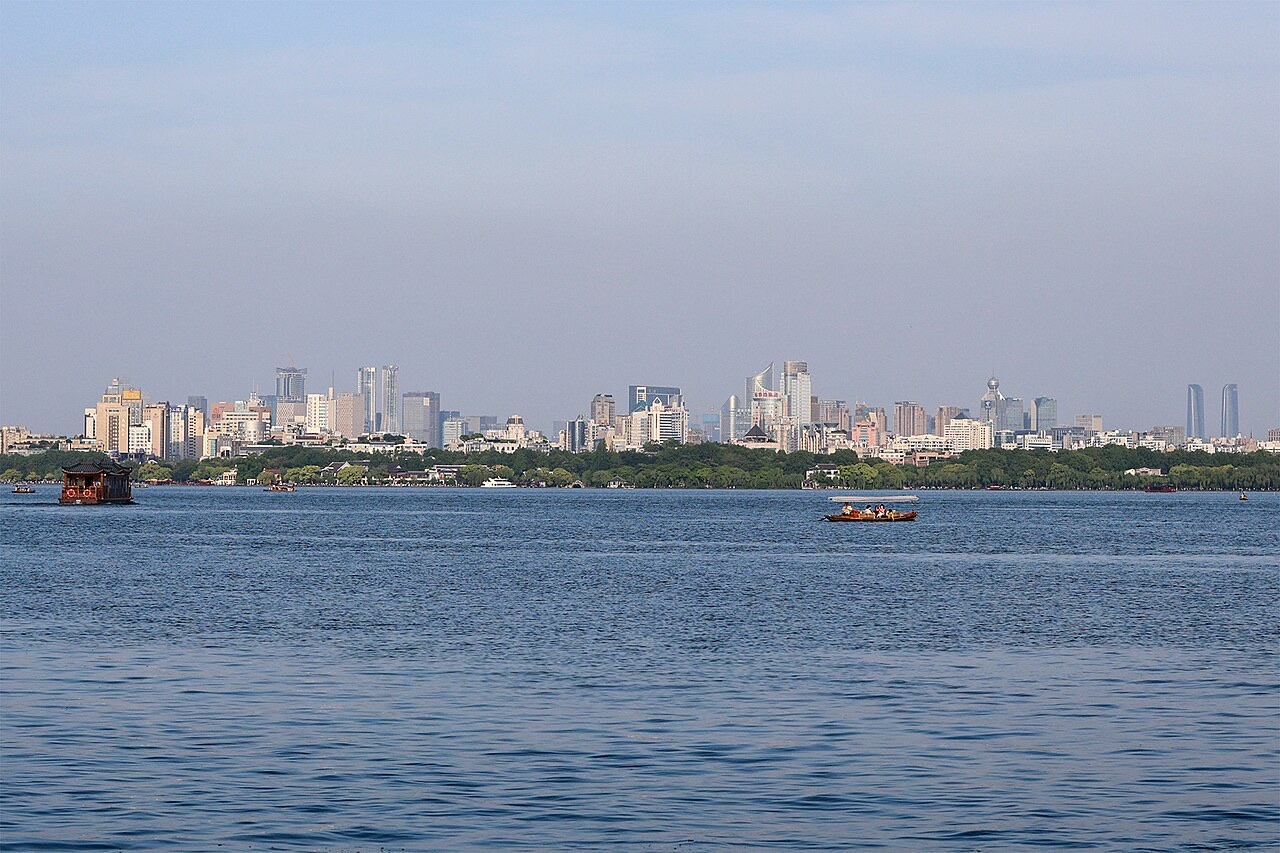
ZhejiangUniversitätskliniken mit erfahrenen internationalen Zentren, am Westsee und eine Stunde mit dem Zug von Shanghai entfernt.
Airports: Hangzhou Xiaoshan International Airport (HGH)
Best months to visit: Mar · Apr · May · Sep · Oct · Nov
Zuletzt aktualisiert:
Key facts
Hospitals and clinics listed for Hangzhou (Zhejiang) in the CareAtlas directory: 6. Main airports: Hangzhou Xiaoshan International Airport (HGH). Best months to visit: Mar · Apr · May · Sep · Oct · Nov.
- Province: Zhejiang
- Airports: Hangzhou Xiaoshan International Airport (HGH)
- Best months to visit: Mar · Apr · May · Sep · Oct · Nov
- Hospitals listed: 6
- Last updated:
Veröffentlicht von CareAtlas · Redaktionelle Richtlinien
Hangzhou, the capital of Zhejiang Province, offers something unusual in Chinese medical travel: large university hospitals whose international centers have served foreign patients for years, publish English websites with appointment emails, and sit in one of China's most relaxing cities — built around West Lake, an hour from Shanghai by high-speed rail. For patients who want major-hospital medicine with a slower backdrop, it is a strong alternative or complement to Shanghai.
Hangzhou's medical landscape
Two Zhejiang University teaching hospitals anchor international care in the city:
- Sir Run Run Shaw Hospital (SRRSH), affiliated with Zhejiang University School of Medicine, describes its International Healthcare Center as the first medical center in Zhejiang Province with an independent space for international medical services. The hospital says the center has treated around 78,000 international patients from more than 100 countries, that all center staff are proficient in English with translation devices covering 85 languages, and that it served as designated medical center for events including the G20 summit and the 19th Asian Games. It publishes an appointment phone line and email ([email protected]) and lists insurers it bills directly; outpatient services run at the Qingchun and Qiantang campuses[2].
- The First Affiliated Hospital, Zhejiang University School of Medicine (FAHZU) operates an International Healthcare Center in Building 1 of its Yuhang campus, with weekday working hours, a published appointment phone and email, and what the hospital describes as an elite team of English-speaking doctors and nurses. FAHZU lists around two dozen direct-billing arrangements, including MSH China, Cigna & CMB, AIA, Allianz Partners and International SOS, and accepts Visa, MasterCard and UnionPay where direct billing does not apply[3].
Appointment emails and English pages make first contact easier here than in many Chinese cities: write before you fly, attach records, and ask whether your case fits the international center or requires a specific specialty clinic. Use the bilingual inquiry letter tool to structure the email, browse the Hangzhou hospital directory, and read how international departments work. Note the usual caveat: an international center coordinates access and language, but complex cases are still treated by the relevant specialty department, and availability must be confirmed case by case.
Getting there
Hangzhou Xiaoshan International Airport (HGH) lies about 30 km east of the center, with direct flights across Asia and selected intercontinental routes, plus a metro line into town. Many visitors instead fly into Shanghai's two airports and take the train: high-speed services from Shanghai Hongqiao reach Hangzhou East in roughly 45–75 minutes.
Visas. As of October 2026, China's 240-hour visa-free transit policy applies to nationals of 57 countries transiting to a third country or region. Hangzhou Xiaoshan International Airport is a designated entry port, the permitted stay area is Zhejiang Province, and cross-province travel is allowed within the permitted areas of 24 provinces — so a Shanghai arrival with a Hangzhou treatment stay is possible under the policy[1]. Ten days covers consultations, checkups, dental or TCM programs; anything with meaningful recovery time needs an ordinary visa — see visa and entry, and re-check the NIA site before booking[1].
Where to stay
- West Lake east shore (Hubin/Wulin) — central, walkable, dense with hotels and malls; convenient to SRRSH's Qingchun campus area and pleasant for recovery strolls along the lake.
- Qiantang / Xiasha — consider only if your care is at SRRSH's Qiantang campus; otherwise it is far from the sights.
- Yuhang / Future Sci-Tech area — practical if your appointments are at FAHZU's Yuhang campus (the international center's building), with modern hotels nearby but a 30–45 minute ride to West Lake.
Serviced apartments are plentiful around Hubin and Qianjiang New Town for longer stays. See accommodation near hospitals.
Combining treatment with sightseeing
Hangzhou is arguably China's best recovery city: the standard activities are flat lakeside walks, boat rides, tea-house sitting and garden visits. The West Lake loop, Longjing tea village, the China National Tea Museum and Xixi Wetland boardwalks are all low-exertion; Lingyin Temple involves more steps. Check activity levels with your doctor after any procedure — see recovery-friendly activities.
By rail, Hangzhou connects to Shanghai in about 45–75 minutes, Suzhou in roughly 1.5–2 hours, and Nanjing in about 1–2.5 hours depending on the service. Example: a 10-day checkup-plus-travel plan might run consultations in Hangzhou, a rest day at Longjing, then the train to Suzhou for gardens and on to Shanghai for departure — an example, not a medical recommendation. See combining treatment and travel and sample itineraries.
Climate and best season
- Spring (late March–May): 15–25 °C, tea-harvest season, the city at its best.
- Plum rains (June–early July): humid, frequent rain.
- Summer (July–August): hot, often 33–38 °C; plan indoor mornings and evening walks.
- Autumn (late September–November): dry, clear, 15–25 °C — ideal again.
- Winter (December–February): 2–10 °C, damp; occasional light snow makes West Lake photogenic but chilly.
Avoid the first week of October: Hangzhou is one of China's most visited holiday destinations and West Lake crowds are intense. Clinics also slow around Chinese New Year (January–February).
Practical tips
- Payments: set up Alipay — it was born in Hangzhou and dominates here — or WeChat Pay with your foreign card; see payments in China.
- Getting around: metro plus Didi cover the city; West Lake's east shore is best on foot. See getting around.
- Language: outside the international centers, expect limited English; translation apps or an interpreter help — see language and interpreters.
- Emergencies: dial 120; see emergency care in China.
- Records and follow-up: request bilingual or English reports where offered, and keep copies of imaging — see medical records and follow-up.
Limits to plan for
Hangzhou's international centers coordinate care in English, but they are gateways to busy public hospitals: specific specialists may have long queues, complex multi-stage treatment means repeat trips, and complications after you return home fall to your local health system. Agree on a follow-up plan with your home doctor before committing — see risks and complications.
Next steps
Compare sourced profiles in the Hangzhou hospital directory, draft your first email with the bilingual inquiry letter tool, or let the CareAtlas planner build a Hangzhou–Shanghai treatment-and-travel plan.
Häufig gestellte Fragen
Which Hangzhou hospitals have international patient centers?
Sir Run Run Shaw Hospital runs an International Healthcare Center with a published appointment line and email, and the First Affiliated Hospital of Zhejiang University (FAHZU) operates an International Healthcare Center with English-speaking staff and direct billing. Both publish details on their English websites.
Can I enter Hangzhou without a Chinese visa?
As of October 2026, nationals of 57 countries transiting to a third country can use the 240-hour visa-free transit policy; Hangzhou Xiaoshan International Airport is a designated port with Zhejiang Province as the permitted stay area. Others need an ordinary visa.
Is English widely spoken in Hangzhou hospitals?
Within the international centers, yes by their own account — SRRSH says all its International Healthcare Center staff are proficient in English and FAHZU describes an English-speaking team. Outside those centers, expect to rely on translation apps or an interpreter.
When is the best time to visit Hangzhou for treatment?
Late March–May and late September–November are mild and ideal. Summer is hot and humid with a June–July rainy season; avoid the National Day week in early October, when West Lake is extremely crowded.
How do I get to Hangzhou from Shanghai?
Frequent high-speed trains connect Shanghai Hongqiao with Hangzhou East in roughly 45–75 minutes, so many patients combine the two cities or fly into either airport.
Quellenverzeichnis (3)
- [1]Visa-Free Transit Policies — National Immigration Administration (abgerufen am 2026-10-12)↩
- [2]International Healthcare Center General Introduction — Sir Run Run Shaw Hospital, Zhejiang University School of Medicine (abgerufen am 2026-10-12)↩
- [3]International Medical Care — The First Affiliated Hospital, Zhejiang University School of Medicine (abgerufen am 2026-10-12)↩
Worth seeing
Westsee
UNESCO-gelisteter See mit Dämmen, Pagoden und Teehäusern; ebene Spazierwege am Ufer und Bootsfahrten.
≈ 4 h
Lingyin-Tempel und Feilai-Gipfel
Einer der bedeutenden buddhistischen Tempel Chinas mit Felsreliefs; es gibt Treppen und unebene Wege.
≈ 3 h
Longjing-Teedorf
Terrassenfelder mit Drachenbrunnentee und Teehäuser im Dorf; besonders schön zur Frühjahrsernte.
≈ 3 h
Nationaler Feuchtgebietspark Xixi
Stege und Bootskanäle führen durch ruhige Feuchtgebiete westlich der Stadt.
≈ 3 h
Chinesisches Nationales Teemuseum
Kostenloses Museum inmitten von Teefeldern über Teegeschichte und Teeverkostung; montags geschlossen.
≈ 2 h
Hefang-Straße
Restaurierte Einkaufsstraße in der Altstadt mit Snacks, Apotheken für Traditionelle Chinesische Medizin und Kunsthandwerk.
≈ 2 h
Pagode der Sechs Harmonien
Pagode aus der Song-Zeit mit Blick auf den Qiantang-Fluss; sie ist besteigbar, aber der Hügel hat Treppen.
≈ 2 h
Großer Kanal (historisches Viertel Qiaoxi)
Historisches Viertel am alten Peking–Hangzhou-Kanal mit Museen und abendlichen Bootsfahrten.
≈ 2 h