تشنغدو
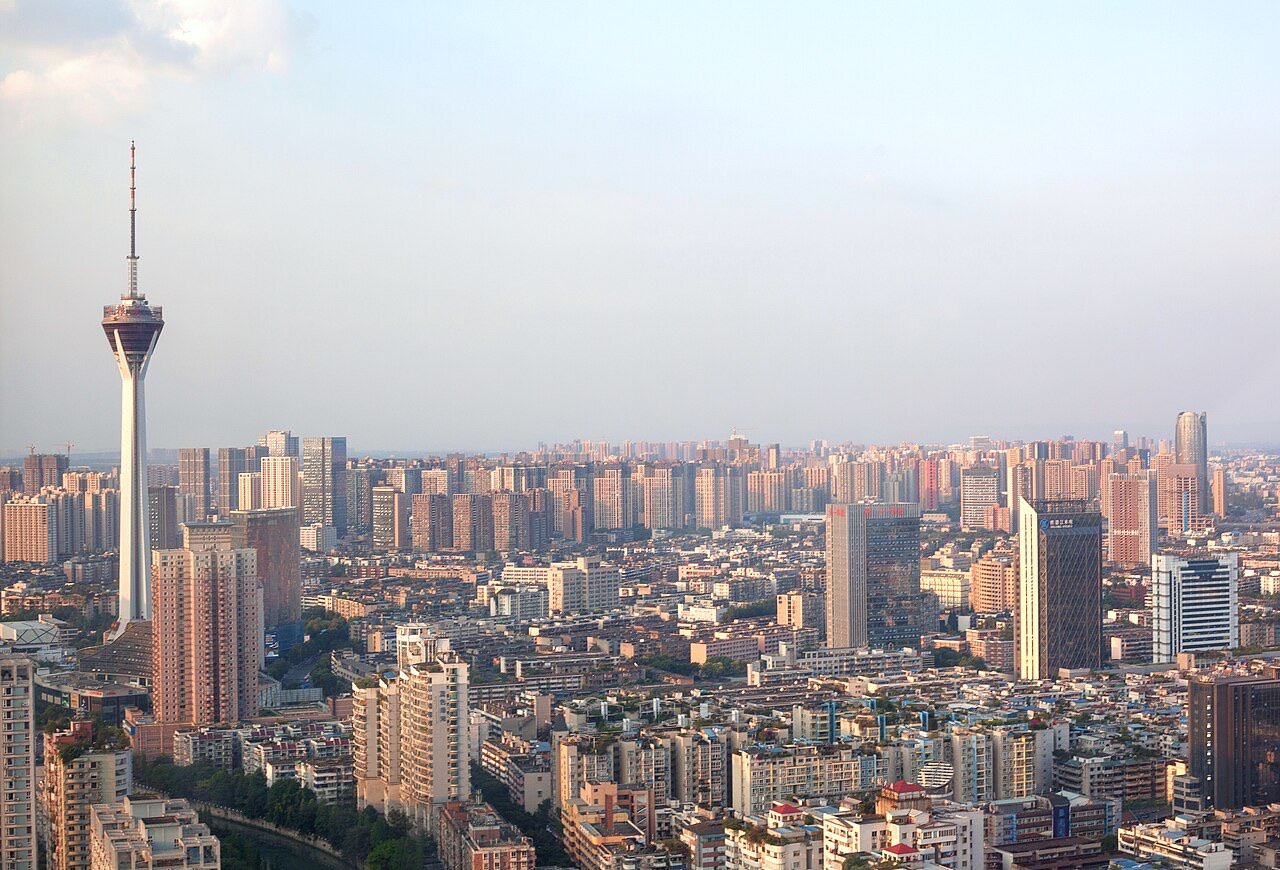
Sichuanمستشفيات بارزة في غرب الصين، إلى جانب بيوت الشاي والحدائق والباندا؛ مدينة كبيرة مريحة لفترة التعافي.
Airports: Chengdu Tianfu International Airport (TFU) · Chengdu Shuangliu International Airport (CTU)
Best months to visit: Mar · Apr · May · Sep · Oct · Nov
آخر تحديث:
Key facts
Hospitals and clinics listed for تشنغدو (Sichuan) in the CareAtlas directory: 4. Main airports: Chengdu Tianfu International Airport (TFU) · Chengdu Shuangliu International Airport (CTU). Best months to visit: Mar · Apr · May · Sep · Oct · Nov.
- Province: Sichuan
- Airports: Chengdu Tianfu International Airport (TFU) · Chengdu Shuangliu International Airport (CTU)
- Best months to visit: Mar · Apr · May · Sep · Oct · Nov
- Hospitals listed: 4
- Treatments at listed hospitals: جراحة تصحيح عيوب الانكسار (SMILE / LASIK / ICL), جراحة الساد (زرع عدسة داخل العين), النظارات وفحص البصر, رأي ثانٍ في الأورام ومراجعة متعددة التخصصات
- Last updated:
نشره CareAtlas · السياسة التحريرية
Chengdu is one of the easiest large Chinese cities to plan medical travel around: it concentrates some of western China's strongest public hospitals, it is served by two international airports that are both eligible ports for the 240-hour visa-free transit policy[1], and the city itself — teahouses, parks, pandas — suits a slow recovery better than almost any other Chinese metropolis. This guide covers the medical landscape, how to get in, where to stay, and how to combine appointments with sightseeing without overloading your body.
The medical landscape
The anchor of Chengdu's hospital system is West China Hospital of Sichuan University (四川大学华西医院), located at Guoxue Alley in Wuhou District[3]. For foreign patients the relevant entry point is its International Medical Center (IMC), which combines a VIP outpatient clinic, VIP inpatient wards and an international medical department, offers English-language reception, and has been named a designated medical care site for foreigners by the hospital and the Sichuan Provincial Government[2]. The IMC provides outpatient consultations with more than 90 senior specialists drawn from 30 of the hospital's departments, and specialist visits must be booked in advance — the center advises on the right specialty and doctor before you come[2]. Multidisciplinary consultations (several specialists reviewing one case together) are available through the same channel[2].
Two practical implications follow. First, do not simply show up: write ahead, state your condition and records, and ask which clinic and doctor you should book. Our bilingual inquiry letter tool drafts that email in English and Chinese. Second, expect the international/VIP track to cost more than the regular Chinese outpatient queue — in exchange for interpretation, scheduling help and calmer wards. The regular queues remain open to foreigners too, but with little to no English support.
Chengdu has many other large tertiary public hospitals and private clinics serving the region's 80+ million people. Rather than list names we could not verify individually, use the hospital directory filtered to Chengdu — every entry there carries sourced contacts and service evidence. For how international departments differ from regular hospital services, read international departments explained.
Getting there
Chengdu is served by two international airports: Tianfu International (TFU), the newer main international gateway southeast of the city, and Shuangliu International (CTU), closer to the center. Both are listed by China's National Immigration Administration as eligible entry ports for the 240-hour (10-day) visa-free transit policy, which as of October 2026 covers nationals of 57 countries transiting onward to a third country or region[1]. Under that policy you may stay in a permitted area of 11 Sichuan cities — including Chengdu, Meishan and Leshan — for up to 10 days, and engage in tourism, business and family visits; working or studying still requires a visa[1].
A 10-day window fits consultations, imaging, dental work, health check-ups and minor procedures. If your treatment needs more time, or you cannot meet the third-country onward-ticket condition, arrange a visa before flying — see the visa and entry guide.
From either airport, metro lines and taxis reach the city center; Tianfu is roughly an hour out, Shuangliu much closer. Chengdu is also a major high-speed rail hub — direct trains connect Chongqing in about 1–2 hours, convenient if you are comparing hospitals in both cities (see Chongqing).
Where to stay
Most international patients pick accommodation by hospital, not by sights:
- Wuhou District, around Guoxue Alley — walking distance to West China Hospital's campus[3]. Dense with hotels of every class and pharmacies; rooms facing inner courtyards are quieter.
- Jinjiang riverside / Chunxi Road — central, comfortable international chains, 10–20 minutes by taxi to the hospital cluster; better dining and walking options for companions.
- Serviced apartments — sensible for stays over a week or when travelling with family: kitchen, laundry, more space for the money.
Book refundable rates until your appointment dates are confirmed, and keep your hospital's address in Chinese on your phone for taxi drivers. More tactics in accommodation near hospitals and traveling with companions.
Combining treatment with sightseeing
Chengdu is arguably China's best city for gentle recovery tourism — but match activities to what your body can do, and clear your plan with your doctor. A sensible ladder, from least to most demanding:
- Teahouse days (suitable for most patients). People's Park's open-air teahouses are the classic Chengdu experience: sit in a bamboo chair, drink jasmine tea, do nothing. Flat ground, no exertion, endless people-watching.
- Short flat strolls. Wuhou Shrine with the adjacent Jinli street, or Du Fu's Thatched Cottage — level paths, benches, easy taxi access. Two to three unhurried hours each.
- The pandas. The Chengdu Research Base of Giant Panda Breeding has paved, mostly gentle paths; go at opening time when pandas are fed and active, and use the shuttle carts inside the park to cut walking. A relaxed half day.
- Day trips — only when cleared. The Leshan Giant Buddha involves long, steep cliff-side stairs; recent-surgery patients should view it from the river cruise boat instead. Dujiangyan's ancient waterworks mean several hours on your feet with steps and suspension bridges. Both cities are inside the 240-hour permitted area for transit-policy visitors[1].
What not to plan around a procedure: the high-altitude roads of western Sichuan (Jiuzhaigou, Kangding, Mount Siguniang). Altitude, long bus rides and remoteness from your treating hospital are the wrong combination during recovery — save them for a return trip. General pacing rules by procedure type are in recovery and travel activities.
Sichuan food deserves one warning: it is gloriously spicy, which may clash with dental work, gastrointestinal procedures or post-operative medication. Mild Sichuan dishes exist (clear-broth hotpot, tianshui noodles, steamed dishes) — ask for 不辣 (bú là, "not spicy").
Climate and altitude
Chengdu sits on a low-lying plain, so altitude is not a concern in the city itself. The climate is humid subtropical: March–May and September–November are mild and the most comfortable for convalescence; June–August is hot, sticky and occasionally stormy; December–February is damp, grey and rarely freezing. Cloud cover is famously persistent — pack layers rather than counting on sunshine, and expect humidity to make wounds and casts feel clammier than at home.
Practical tips
- Payments. Set up Alipay or WeChat Pay with your foreign card before you fly; hospital cashiers, taxis and teahouses all run on them. Details in payments in China.
- Language. Outside the IMC's English reception[2], assume Mandarin only. Arrange an interpreter for consent discussions — see language and interpreters.
- Apps and connectivity. Install a translation app, a VPN if you need your home services, and the Didi ride-hailing app; see apps and connectivity.
- Getting around. The metro is cheap, air-conditioned and signed in English; taxis are plentiful. Allow generous buffers before appointments — traffic is real. See getting around.
- Records. Ask for imaging on disc or cloud link and a stamped English or bilingual report where available; see medical records and follow-up.
Limits to plan around
Be realistic about what a trip to Chengdu can and cannot do. Complex treatment often needs staged visits — implants, oncology protocols and some surgeries cannot compress into one stay, so budget for a second trip or explicit remote follow-up. Your home doctors will need records they can read; negotiate report language before treatment, not after. If complications arise after you fly home, handling them lands on your local health system — discuss the complication plan with your Chengdu doctor in advance. And if you are medically fragile, the 15+ hour journey from the Americas or Europe is itself a clinical risk to weigh with your doctor.
Next steps
Start by shortlisting hospitals in the Chengdu directory, send a structured first email with the inquiry letter tool, and if you want a day-by-day treatment-plus-recovery itinerary built around your procedure, try the CareAtlas planner. For the bigger picture, read how medical travel to China works and combining treatment and travel.
الأسئلة الشائعة
Can I visit Chengdu without a Chinese visa for treatment?
If you hold a passport from one of the 57 countries eligible for China's 240-hour visa-free transit and are travelling onward to a third country or region, you can stay up to 10 days after entering through Tianfu or Shuangliu airport. For longer treatment plans, apply for a visa.
Which hospital do international patients usually contact first in Chengdu?
West China Hospital of Sichuan University runs an International Medical Center with English reception and appointment-based specialist clinics. Other large public hospitals also treat foreign patients — compare them in our directory.
Is Chengdu's altitude a problem after surgery?
No. Chengdu lies on a low plain. Altitude only becomes a topic if you add side trips to western Sichuan's highlands, which you should not do while recovering.
Can I see the pandas while recovering?
Often yes: the Chengdu Research Base of Giant Panda Breeding has gentle paved paths and works as a slow half-day outing. Confirm your activity limits with your doctor first.
When is the best season to combine treatment and travel in Chengdu?
March to May and September to November are mildest. Summer is hot and humid and winter damp and grey — workable, but less comfortable for convalescence.
المراجع (3)
- [1]Visa-Free Transit Policies — National Immigration Administration (تاريخ الاطلاع 2026-10-12)↩
- [2]International Medical Center — West China Hospital, Sichuan University (تاريخ الاطلاع 2026-10-12)↩
- [3]About Us — West China Hospital, Sichuan University (تاريخ الاطلاع 2026-10-12)↩
Worth seeing
بيوت الشاي في حديقة الشعب
بيوت شاي في الهواء الطلق مع كراسٍ من الخيزران؛ أرض مستوية ومجهود شبه معدوم، وهي تجربة تشنغدو التقليدية.
≈ 2 h
قاعدة تشنغدو لأبحاث وتربية الباندا العملاقة
مسارات مرصوفة، معظمها سهل، مع عربات نقل؛ اذهب عند الافتتاح حين تُطعم الباندا وتكون نشطة.
≈ 4 h
ضريح ووههو وشارع جينلي
ضريح من عصر الممالك الثلاث بجوار شارع قديم؛ مسارات مستوية ومقاعد وسهولة الوصول بسيارة أجرة.
≈ 2.5 h
كوخ دو فو ذي السقف القشي
متحف وحديقة حول منزل شاعر أسرة تانغ؛ مسارات مستوية للتجول دون استعجال.
≈ 2 h
أزقة كوانتشاي
أزقة من عهد تشينغ جرى ترميمها وتضم وجبات خفيفة وبيوت شاي؛ أرضها مستوية لكنها مزدحمة في عطلة نهاية الأسبوع.
≈ 2 h
بوذا ليشان العملاق (رحلة يومية)
سلالم الجرف طويلة وشديدة الانحدار؛ يُفضّل للمرضى في فترة التعافي مشاهدته من القارب النهري بدلًا من صعودها.
≈ 8 h
نظام دوجيانغيان للري (رحلة يومية)
منشأة مائية قديمة تتطلب ساعات من المشي مع درجات وجسور معلقة؛ لا تزرها إلا بعد موافقة طبيبك.
≈ 6 h