Thanh Đảo
ShandongNghỉ dưỡng phục hồi bên bờ biển Sơn Đông, với các bệnh viện lớn hạng IIIA, lối dạo ven biển bằng phẳng và khí hậu hải dương ôn hòa.
Airports: Qingdao Jiaodong International Airport (TAO)
Best months to visit: May · Jun · Jul · Aug · Sep · Oct
Cập nhật lần cuối:
Key facts
Hospitals and clinics listed for Thanh Đảo (Shandong) in the CareAtlas directory: 3. Main airports: Qingdao Jiaodong International Airport (TAO). Best months to visit: May · Jun · Jul · Aug · Sep · Oct.
- Province: Shandong
- Airports: Qingdao Jiaodong International Airport (TAO)
- Best months to visit: May · Jun · Jul · Aug · Sep · Oct
- Hospitals listed: 3
- Treatments at listed hospitals: Khám và làm sạch răng, Phẫu thuật thẩm mỹ và tạo hình
- Last updated:
Được đăng bởi CareAtlas · Chính sách biên tập
Qingdao combines large Grade III-A (3A) hospitals with one of coastal China's most pleasant climates — a practical pairing for anyone who wants treatment plus a gentle seaside recovery. The city is unusually easy to enter: both Qingdao Jiaodong International Airport and the Qingdao Port passenger terminal are designated ports for China's 240-hour (10-day) visa-free transit, with the permitted stay area covering all of Shandong province[1][2]. Here is how to plan hospitals, logistics and timing.
Why patients consider Qingdao
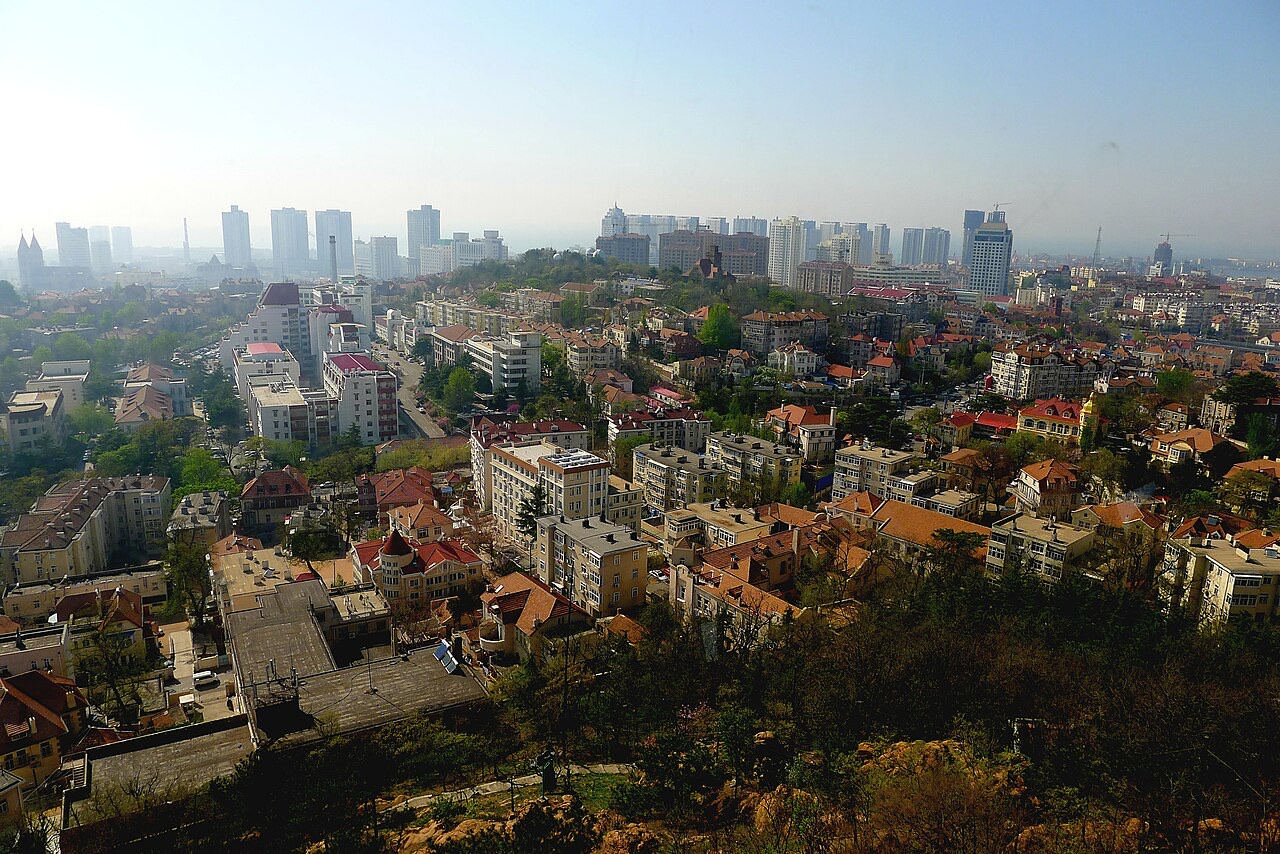
Qingdao is Shandong's medical and economic hub, a former German concession city known for its red-roofed old town, beaches and breweries. For patients the appeal is threefold: substantial university-affiliated hospital capacity, a mild maritime climate that makes recovery weeks far more comfortable than inland summers, and uncomplicated visa-free entry for dozens of nationalities. The limits: Qingdao's international patient infrastructure is smaller and less documented in English than Beijing's or Shanghai's, so confirm services in writing before you book flights.
The medical landscape
The Affiliated Hospital of Qingdao University
The Affiliated Hospital of Qingdao University describes itself (on its Chinese-language pages) as Qingdao's largest provincial-level comprehensive hospital and a state Grade III-A institution operating multiple campuses[3]. Its English site presents an International Outpatient service in which the hospital's department of international medical treatment "organizes senior experts and subject leaders" to provide care for foreign patients and visitors from Hong Kong and Macao, including appointments, specialist diagnosis and remote consultation[3]. The hospital also publicises international cooperation, including an agreement with the transplantation centre of University Hospital Regensburg in Germany[3].
Qingdao Municipal Hospital
A 2018 profile on China Daily's government portal describes Qingdao Municipal Hospital (Group) as the city's largest municipal-level Grade III-A comprehensive hospital, with an international clinical department at its eastern branch near the Fushan Bay Olympic sailing marina; the profile states the clinic was designed around foreign service models and staffed with doctors from South Korea and the US plus nursing personnel speaking English or Korean[4]. Treat the details as dated — staffing changes — but the eastern-branch international clinic is the established first stop for foreigners in the city. Verify current hours and languages directly before travelling.
Choosing between them
Both are large public institutions where international units work by appointment and payment is upfront unless your insurer has direct billing. A hospital having a specialty does not mean its international desk covers it — confirm your specific treatment and get a written estimate. Compare sourced listings at hospitals in Qingdao and use the bilingual inquiry tool to ask precise questions.
Getting there
By air and by sea
Qingdao Jiaodong International Airport (TAO) is the region's main gateway, with direct flights to major East Asian cities and connections through Beijing, Shanghai and Seoul. A metro line links the airport with the city; allow about an hour to the seafront districts. Uniquely among the cities in this guide, Qingdao's seaport passenger terminal is also a designated 240-hour visa-free transit port, so eligible travellers can arrive or depart by sea[2].
Visa-free options
As of October 2026, the 240-hour visa-free transit applies to nationals of 57 countries — including Russia, the UK and the US — travelling onward to a third country or region; Qingdao Jiaodong International Airport and Qingdao Port (passenger) are designated entry ports, and the permitted stay area covers all of Shandong province[1][2]. Separately, nationals of 50 countries (Russia among them) may enter China visa-free for up to 30 days under the unilateral exemption policy as of February 2026[5]. For Russian-speaking readers this makes entry logistics simple; note, though, that published information about Russian-language medical services in Qingdao itself is limited — ask hospitals directly about interpreter support. Always re-check the NIA site and our visa guide before booking.
Where to stay
Base yourself in Shinan district. The eastern seafront around May Fourth Square and Fushan Bay puts you close to Qingdao Municipal Hospital's eastern branch[4], with business hotels, serviced apartments and flat promenade walks at your door. The old town (around Zhanqiao Pier and the historic German quarter) is more atmospheric and suits appointments on western campuses, but involves more hills and stairs — a real consideration after surgery. Wherever you stay, pick a metro-accessible hotel and see our accommodation guide for booking tactics.
Combining treatment with travel
Qingdao is arguably the easiest city in northern China to recover in. The seaside promenade system runs for kilometres of flat, scenic walking; Zhongshan Park and Badaguan's tree-lined streets offer shade and calm; the Tsingtao Brewery Museum and the old town's architecture are low-exertion outings (skip the beer tasting if your treatment or medication forbids alcohol). Laoshan, the coastal mountain east of the city, is best left until a doctor clears you for real exertion — or enjoy its lower temple areas by shuttle.
Example plan (illustrative only): arrive Sunday; consultations Monday; tests Tuesday morning, seafront walk after; results Wednesday plus the old town; Thursday buffer day; Friday departure or a cleared-for-activity weekend extension. See combining treatment and travel and recovery-friendly activities for sequencing.
Climate and the best season
Qingdao's maritime climate is its quiet advantage. Summers are noticeably milder than inland — sea breezes keep July–August more bearable than Wuhan or Changsha — while spring arrives late and cool. The ideal window is May to October: warm seas and beach weather from July to September, and crisp, clear days in early autumn. Winters are cold, windy and damp-feeling; manageable, but less pleasant for recovery walks. If your dates are flexible, aim for September–October.
Practical tips
- Payments: Alipay/WeChat Pay with a linked foreign card covers hospitals, taxis and shops; carry some cash as backup. See payments in China.
- Language: English is workable in international clinics but not on the street; Korean support is mentioned in older material about the Municipal Hospital's clinic[4]. Book interpretation ahead — see the language guide.
- Getting around: metro plus ride-hailing (DiDi/Amap) covers the city; the seafront districts are walkable. More in getting around.
- Seafood caution: Qingdao's cuisine is seafood-heavy; if you are on blood thinners, immunosuppressed or recovering from gastrointestinal procedures, ask your doctor about raw-shellfish risks.
- Records: bring prior reports; request copies of everything new before leaving — see medical records and follow-up.
- Emergencies: dial 120 for an ambulance.
Limits to plan around
Qingdao's international clinics are geared mainly to residents, business travellers and routine outpatient needs; complex planned surgery for overseas patients is less documented than in tier-one cities. Published prices are rare, English web information is dated in places, and complication handling after you fly home falls to your local doctors — arrange follow-up before travelling. If your case is complex, compare Qingdao against Beijing or Shanghai options before committing.
Next steps
Review hospitals in Qingdao, draft a bilingual email with the inquiry letter tool, or let the CareAtlas planner build a coastal treatment-and-recovery itinerary for your dates.
Câu hỏi thường gặp
Which Qingdao hospitals serve foreign patients?
The Affiliated Hospital of Qingdao University runs an international outpatient service staffed by senior specialists, and Qingdao Municipal Hospital's eastern branch hosts an international clinic described as having English- and Korean-speaking staff. Confirm current services directly before travelling.
Can I enter Qingdao without a Chinese visa?
As of October 2026, nationals of 57 countries can use the 240-hour (10-day) visa-free transit; both Qingdao Jiaodong International Airport and the Qingdao Port passenger terminal are designated entry ports, with the permitted area covering all of Shandong. A separate 30-day unilateral visa-free policy covers 50 countries, including Russia.
When is the best time for a medical trip to Qingdao?
May to October. The maritime climate keeps summers milder than inland China, and early autumn is especially pleasant. Winters are cold and windy.
Is Qingdao suitable for recovery after treatment?
Its flat seaside promenades, parks and clean air make gentle recovery walks easy, and the mild summer is kinder than inland heat. Discuss activity levels with your doctor, and avoid swimming until cleared.
Is Qingdao relevant for Russian-speaking patients?
Russia is on both of China's NIA visa-free lists as of 2026 — the 240-hour transit scheme and the 30-day unilateral exemption — making entry simple. However, published information about Russian-language hospital services in Qingdao is limited; ask hospitals directly about interpreters.
Tài liệu tham khảo (5)
- [1]China's Visa-Free Transit Policy Fully Relaxed and Optimized — National Immigration Administration (truy cập 2026-10-12)↩
- [2]Visa-Free Transit Policies — National Immigration Administration (truy cập 2026-10-12)↩
- [3]The Affiliated Hospital of Qingdao University — English homepage — The Affiliated Hospital of Qingdao University (truy cập 2026-10-12)↩
- [4]Qingdao Municipal Hospital (profile, 2018) — China Daily government portal (truy cập 2026-10-12)↩
- [5]List of Countries Covered by Unilateral Visa Exemption Policies — National Immigration Administration (truy cập 2026-10-12)↩
Worth seeing
Quảng trường Ngày 4 tháng 5 và lối dạo ven vịnh Phù Sơn
Các lối đi bộ bằng phẳng, có phong cảnh đẹp kéo dài nhiều kilômét dọc bờ biển, gần bến thuyền buồm Olympic.
≈ 2 h
Cầu tàu Trạm Kiều và khu phố Đức cũ
Khu phố cổ lịch sử với mái nhà đỏ, giàu không khí nhưng nhiều dốc hơn bờ biển phía đông; hãy đi theo nhịp vừa sức.
≈ 3 h
Khu thắng cảnh Bát Đại Quan
Những con phố rợp cây với các biệt thự lịch sử; có bóng mát, yên tĩnh và lối đi bộ bằng phẳng, dễ đi.
≈ 2 h
Công viên Trung Sơn
Công viên xanh rộng gần khu phố cổ, có lối đi thoai thoải cho những buổi dạo bộ khi hồi phục.
≈ 2 h
Bảo tàng Nhà máy bia Thanh Đảo
Tham quan trong nhà, ít tốn sức; bỏ qua phần nếm bia nếu quá trình điều trị hoặc thuốc bạn dùng không cho phép uống rượu.
≈ 2 h
Núi Lao Sơn (chuyến đi trong ngày)
Núi ven biển phía đông thành phố; chỉ đi khi bác sĩ cho phép vận động gắng sức, hoặc đi xe trung chuyển đến các khu chùa thấp hơn.
≈ 6 h