重慶
Chongqing長江沿いの山岳メガシティ。国際患者向けに専用設計された病棟を備える大学病院があります。
Airports: Chongqing Jiangbei International Airport (CKG)
Best months to visit: Mar · Apr · May · Oct · Nov
最終更新日:
Key facts
Hospitals and clinics listed for 重慶 in the CareAtlas directory: 7. Main airports: Chongqing Jiangbei International Airport (CKG). Best months to visit: Mar · Apr · May · Oct · Nov.
公開者:CareAtlas · 編集方針
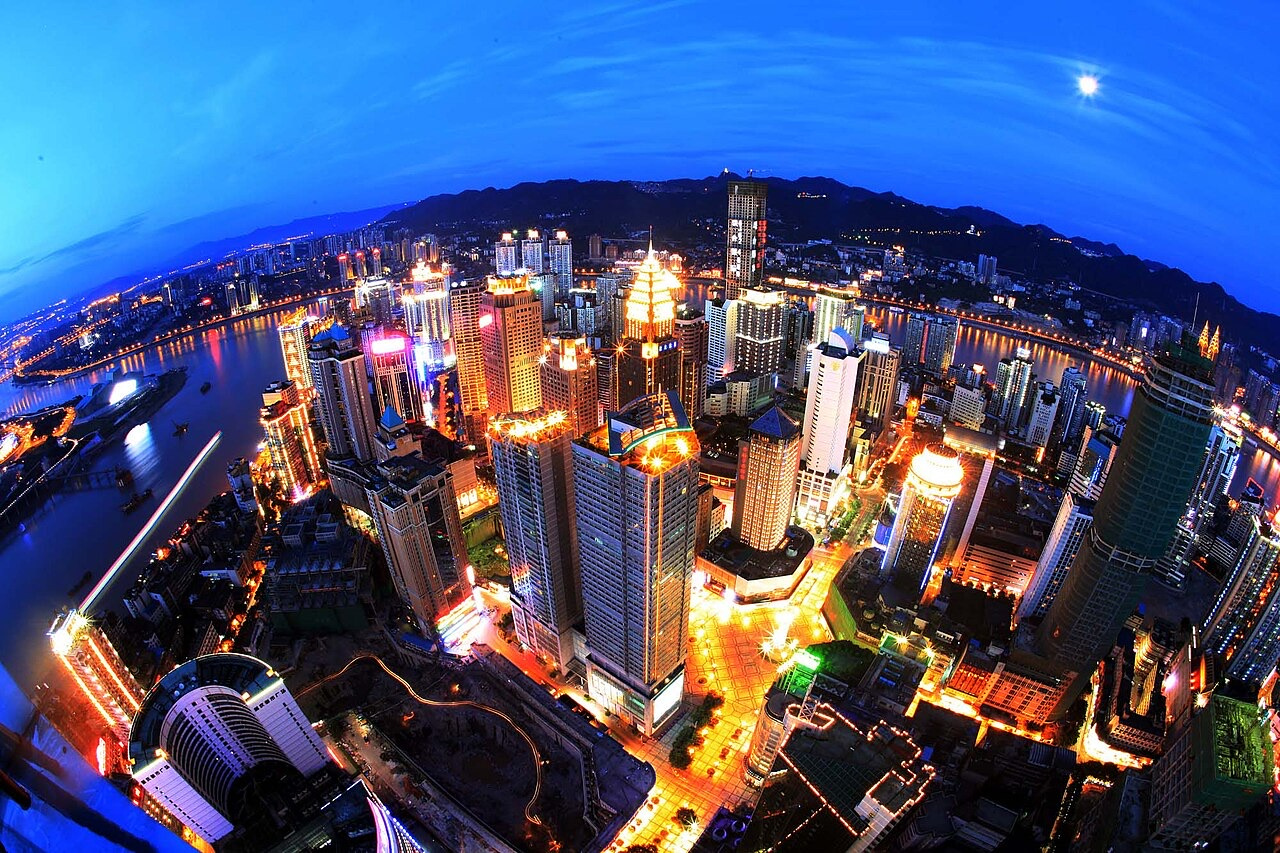
Chongqing, the mountain mega-city where the Jialing River meets the Yangtze, is southwest China's second great medical hub after Chengdu. It offers large university teaching hospitals — including one with a purpose-built international ward — direct entry under the 240-hour visa-free transit policy via Jiangbei airport[1], and some of the most dramatic urban scenery in China. The flip side: this is a city of stairs and slopes, and a recovery plan here needs more logistical care than in flat cities.
The medical landscape
The clearest option for foreign patients is The First Affiliated Hospital of Chongqing Medical University (重庆医科大学附属第一医院). Established in 1957 by experts relocated from the former Shanghai First Medical College, it describes itself as a leading Class A tertiary general teaching hospital in southwest China, operating 59 clinical, medical-technology and platform departments with 4,616 beds[2]. In October 2024 it opened a dedicated international (VIP) ward on floors 17–18 of its Jinshan Campus, with an international (VIP) clinic on the 4th floor of the campus outpatient department; the service explicitly caters to foreigners, Hong Kong, Macao and Taiwan residents, and the hospital lists partnerships with several commercial insurance companies[3].
Practical notes. The Jinshan Campus is in Liangjiang New Area, north of the historic center and closer to the airport than to the tourist districts — factor that into hotel choice. And as everywhere in China, "international ward exists" does not mean every specialty is served through it with full English support: confirm your specific condition, doctor and language arrangements in writing before booking travel. The bilingual inquiry letter tool helps with that first email, and international departments explained covers what these wards do and do not include.
Chongqing's 30-million-strong municipality supports many other tertiary hospitals, including military-affiliated institutions with strong reputations in the region. Rather than repeat names we have not individually verified, compare sourced entries in the Chongqing hospital directory.
Getting there
Chongqing Jiangbei International Airport (CKG) connects to major Asian and some European hubs, and is listed by the National Immigration Administration as an eligible port for the 240-hour visa-free transit policy: as of October 2026, nationals of 57 countries transiting onward to a third country or region may enter there and stay within Chongqing Municipality for up to 10 days[1]. Tourism, business and family visits are permitted under the policy; work and study are not[1]. For longer treatment plans, get a visa first — see visa and entry.
Metro line 3 and line 10 link the airport to the city. High-speed rail reaches Chengdu in about 1–2 hours — useful if you want second opinions in both cities (see Chengdu).
Where to stay
Chongqing punishes bad hotel choices more than most cities: a hotel 500 m from your destination may still involve ten flights of public stairs.
- Near your hospital. For the Jinshan Campus international ward, stay in Liangjiang New Area / Yubei near a metro station[3]. For hospitals in the old core, Jiefangbei or Daping are practical.
- Jiefangbei (CBD). Flat-ish by local standards, dense with international hotels, walkable to Hongya Cave and the rivers. Good for companions.
- Nan'an riverside. Quieter, with Yangtze views; relies on taxis.
Rules of thumb: confirm your hotel has an elevator from street level (not guaranteed here), prefer metro-adjacent buildings, and budget for taxis as a recovery expense, not a luxury. More in accommodation near hospitals.
Combining treatment with sightseeing
Chongqing sightseeing can be surprisingly recovery-friendly — if you choose the mechanized options and refuse the stair-heavy ones early on:
- Yangtze River Cableway. A short, seated glide across the river with skyline views. Minimal walking; the single best low-energy outing in town.
- River night cruise. One to two hours seated on deck watching the neon skyline — flat boarding at Chaotianmen with assistance available.
- Three Gorges Museum and People's Assembly Hall square. Indoor, level museum facing a flat ceremonial square; ideal for early-recovery days.
- Hongya Cave. The stacked stilt-house complex is a photo icon, but inside it is effectively a vertical mall; use the elevators and go at opening or late evening to dodge the densest crowds.
- Ciqikou Ancient Town. Cobbles, slopes and steps — stable shoes and a free afternoon, for mid-recovery onward.
- Day trips, once cleared. The Dazu Rock Carvings (about two hours away) involve moderate walking with stairs. Wulong's giant karst sinkholes and natural bridges — part of the UNESCO-listed South China Karst[4] — are spectacular but involve long transfers and many steps; treat them as end-of-trip rewards, not week-one activities. Both lie within Chongqing Municipality, i.e. inside the transit policy's permitted area[1].
Chongqing's signature food is hotpot at nuclear spice levels. If you have had dental, gastric or any surgical treatment, ask for clear-broth (清汤) pots and confirm dietary limits with your doctor. General activity pacing: recovery and travel activities.
Climate and altitude
Central Chongqing sits at low-to-moderate river-valley elevations — altitude sickness is not an issue, though the constant vertical walking is its own cardio test. The climate is humid subtropical: March–May and October–November are the comfortable windows. Summer (June–August) is notoriously hot and humid — among the harshest of any major Chinese city — which dehydrates convalescents and makes wound care clammier; if you must come in summer, plan indoor days and early mornings. Winter is foggy, damp and grey but rarely freezing.
Practical tips
- Payments. Alipay/WeChat Pay everywhere, including hospital cashiers; link your foreign card in advance. See payments.
- Language. English is limited outside dedicated international services[3]; carry your hospital and hotel names in Chinese and book interpreters for consultations — see language and interpreters.
- Navigation. Map apps mislead in 3D terrain — a "5-minute walk" may be five minutes of stairs. When in doubt, taxi. See getting around.
- Emergencies. Ambulance: 120. Keep a bilingual diagnosis summary on you. See emergency in China.
Limits to plan around
Chongqing's international patient infrastructure is newer and thinner than Beijing's or Shanghai's: the flagship international ward dates from late 2024[3], published English materials are limited, and most hospital communication will be in Chinese. The terrain genuinely constrains early recovery, and summer heat can derail a poorly timed trip. Staged treatments need either repeat flights or a long stay; complications after returning home fall to your local health system, so agree the follow-up plan — including who reads your Chinese-language records — before you leave.
Next steps
Compare sourced hospitals in the Chongqing directory, open contact with the bilingual inquiry tool, and use the CareAtlas planner to sequence appointments, rest days and cableway evenings realistically. Related reading: combining treatment and travel and planning checklist.
よくある質問
Which Chongqing hospital has a dedicated international service?
The First Affiliated Hospital of Chongqing Medical University operates an international (VIP) ward and clinic at its Jinshan Campus, explicitly serving foreigners as well as Hong Kong, Macao and Taiwan residents. Compare other sourced options in our directory.
Can I enter Chongqing visa-free for a short medical trip?
Chongqing Jiangbei International Airport is an eligible port for the 240-hour visa-free transit policy. As of October 2026, nationals of 57 countries transiting to a third country or region may stay in Chongqing Municipality up to 10 days.
Is Chongqing's terrain a problem after surgery?
It can be. The city is built on steep hills with frequent stairs. Pick hotels next to metro stations or your hospital, use taxis liberally, and favour cableway, museum and river outings early in recovery.
When is the best season for a medical trip to Chongqing?
March–May and October–November. Summers are famously hot and humid — hard on convalescents — and winters are foggy and damp though rarely freezing.
Can I do a Yangtze cruise while recovering?
Short river sightseeing boats in the city are low-exertion and generally easy. Multi-day Three Gorges cruises put you far from your treating hospital — only consider them once cleared by your doctor.
参考資料 (4)
- [1]Visa-Free Transit Policies — National Immigration Administration (閲覧日 2026-10-12)↩
- [2]Introduction — The First Affiliated Hospital of Chongqing Medical University (閲覧日 2026-10-12)↩
- [3]International Medical Services Upgraded: The International (VIP) Ward is Now in Operation — The First Affiliated Hospital of Chongqing Medical University (閲覧日 2026-10-12)↩
- [4]South China Karst — UNESCO World Heritage Centre (閲覧日 2026-10-12)↩
Worth seeing
長江ロープウェー
座ったまま短時間で川を渡り、街並みを眺められます。市内で最も体力を使わない外出先です。
≈ 1 h
長江ナイトクルーズ
デッキに座って1~2時間、ネオンに彩られた街並みを眺めます。朝天門では段差の少ない乗船ができます。
≈ 2 h
三峡博物館・人民大会堂
屋内の平坦な博物館で、平坦な式典広場に面しています。回復初期の日の観光に向いています。
≈ 3 h
洪崖洞
重なり合う吊脚楼の象徴的な複合施設で、実質的には縦型の商業施設です。エレベーターを使い、混雑のピークを避けてください。
≈ 2 h
磁器口古鎮
石畳、坂道、階段があります。安定した靴を履き、回復中期以降に午後を空けて訪れるのがおすすめです。
≈ 3 h
大足石刻(日帰り)
ユネスコ登録の仏教石刻で、約2時間の移動先です。階段を含む中程度の歩行が必要なため、医師の許可を得てから訪れてください。
≈ 8 h
武隆カルスト(日帰り)
中国南方カルストの巨大な陥没穴と天然橋。移動時間が長く階段も多いため、旅の終盤の楽しみにしてください。
≈ 10 h