Plastic & Aesthetic Surgery in China: How to Plan Care (2026)
Comprend les actes esthétiques chirurgicaux et non chirurgicaux, de la rhinoplastie et chirurgie des paupières aux injections et au remodelage corporel. Les patients internationaux prévoient souvent consultation, intervention et récupération lors d’un même séjour ; vérifiez l’autorisation de médecine esthétique du prestataire avant de réserver.
Treatments in this specialty
Publié par CareAtlas · Politique éditoriale
Plastic and aesthetic surgery in China spans two connected worlds. One is a public reconstructive tradition built around a dedicated national specialist hospital in Beijing — the Plastic Surgery Hospital of the Chinese Academy of Medical Sciences, founded in 1957 — that repairs congenital malformations, scars and post-trauma defects[2]. The other is one of the world's most active consumer markets for aesthetic procedures, which Chinese law treats strictly as medical care: anything invasive may only be done in licensed medical institutions by qualified physicians[1]. International patients come for both — planned aesthetic surgery, revision consultations, reconstructive opinions and non-surgical treatments. This page explains how the departments are organised, what the licensing rules and national designations mean, what the two access routes cost, and when a trip is a bad idea.
How the specialty is organised in Chinese hospitals
"Plastic and aesthetic surgery" is split across several department names (科室), and the sign on the door tells you what the unit is licensed and staffed to do:
| Department / centre | Chinese | What it handles |
|---|---|---|
| Plastic (reconstructive) surgery | 整形外科 | The umbrella surgical specialty: repair and reshaping of the body surface, from congenital malformations to scars and aesthetic operations[1][2] |
| Medical aesthetics | 医疗美容科 | The licensed first-level clinical subject for appearance-driven care, with four second-level subjects: 美容外科 (aesthetic surgery), 美容牙科 (aesthetic dentistry), 美容皮肤科 (aesthetic dermatology) and 美容中医科 (aesthetic TCM)[1] |
| Subspecialty wards at dedicated centres | 唇腭裂整形科 / 颅颌面整形科 / 外耳整形再造科 / 乳房整形科 / 脂肪整形科 / 鼻整形再造科 | Cleft lip and palate, craniomaxillofacial surgery, ear reconstruction, breast surgery, liposuction and fat grafting, rhinoplasty and nasal reconstruction[2] |
| Scar and wound care | 瘢痕与创面治疗科 | Scar revision, scar minimally invasive therapy, chronic wound repair[2] |
| Non-surgical centres | 激光美容中心 / 注射美容中心 / 毛发移植中心 | Laser and energy-based treatments, injectables, hair transplantation[2] |
Where the care happens matters less than the licence behind it. Large tertiary (三甲) public hospitals run plastic-surgery departments alongside private clinics and clinic chains — but under national rules, any use of surgery, drugs, medical devices or other invasive techniques to reshape appearance is a medical act, allowed only in institutions holding a Medical Institution Practice Licence with the relevant medical-aesthetics subjects approved and registered[1]. Procedures are tiered by difficulty and risk, and an institution may only perform the categories it is approved for[1].
What international patients come for
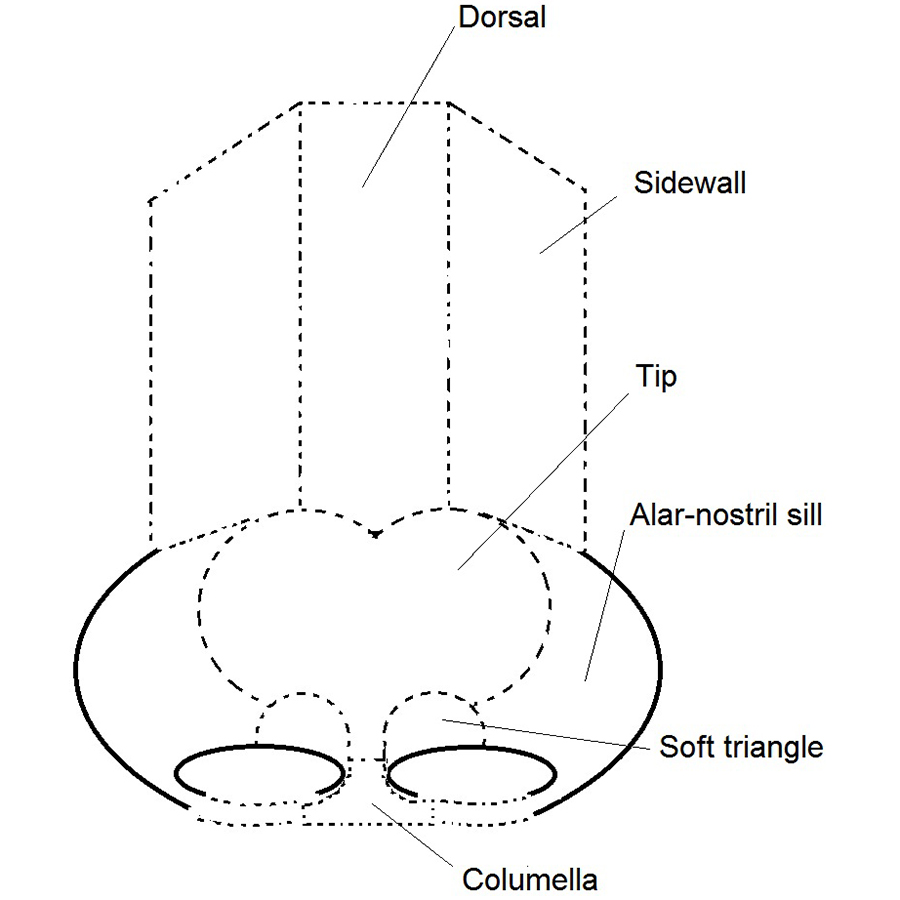
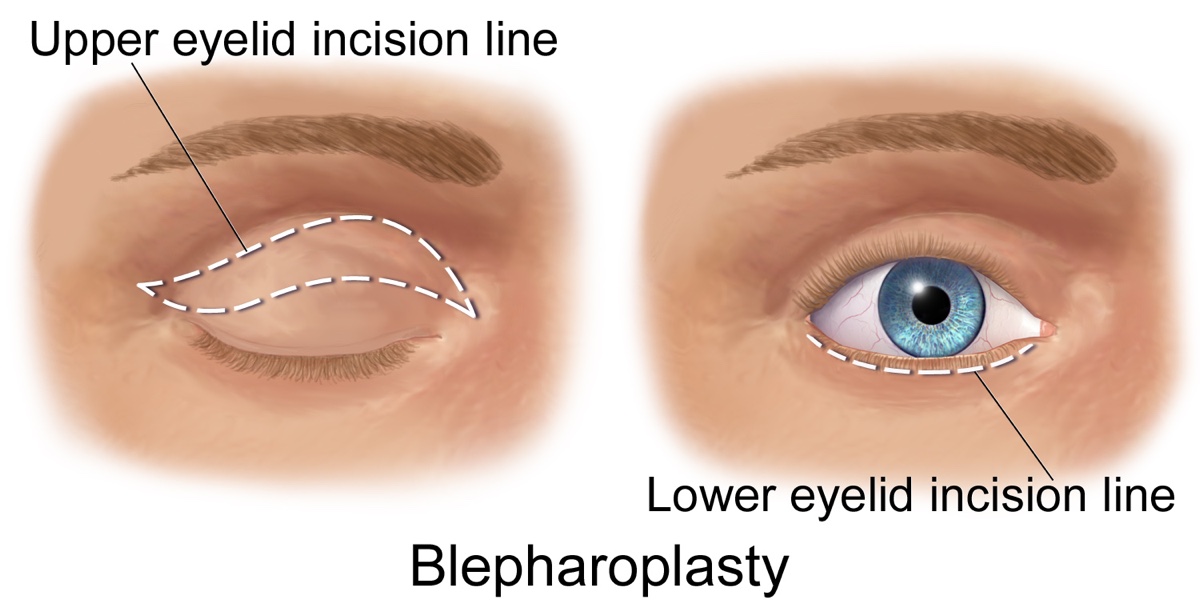
- Planned aesthetic surgery. Rhinoplasty, eyelid surgery, facelifts, breast surgery and body contouring, booked as one consultation-surgery-recovery stay. The practical playbook — licence checks, itineraries, recovery days — is in cosmetic surgery in China.
- Revision consultations. Structured second opinions on results from earlier operations, with the original operative notes in hand. High-volume centres run subspecialised wards — rhinoplasty and nasal reconstruction, breast, fat grafting — rather than one general list[2].
- Reconstructive opinions. Ear reconstruction for microtia, cleft lip and palate revision, craniomaxillofacial work and scar treatment are organised as dedicated departments at the national specialist hospital[2].
- Non-surgical treatments. Injectables, laser and energy-based skin work and hair transplantation run as their own centres[2]; for the skin side, see skin and laser treatments and the dermatology specialty. Aesthetic dentistry sits with dental.
What China is not the place for: impulse surgery on a tourist schedule. If you cannot stay through the recovery window, or you are choosing a provider on price alone without verifying its licence, postpone the trip — the risk calculus is explained below.
The rules: what 医疗美容 legally means
China regulates aesthetic medicine through the national Measures for the Administration of Medical Aesthetic Services, and the rules are concrete enough to use as a checklist[1]:
- Licensed institutions only. No institution or individual may provide medical-aesthetics services without a practice licence covering the relevant subjects[1].
- Qualified lead surgeons. The attending physician (主诊医师) for aesthetic surgery must be a registered doctor with at least 6 years of experience in aesthetic/plastic surgery or a related specialty plus dedicated training; aesthetic dentistry requires 5 years, aesthetic dermatology and TCM 3 years[1].
- Written informed consent. Before treatment, the doctor must explain indications, contraindications, risks and precautions in writing and obtain your signature[1].
- Verify, don't trust. The National Health Commission's online services portal lets anyone query a medical institution's registration and a physician's registration[3]. Legitimate fillers and botulinum toxin are regulated products with National Medical Products Administration (NMPA) approval numbers, and you are entitled to see sealed packaging before injection[5].
- Salons are not clinics. Provincial health authorities warn that injections, threads, laser and radiofrequency treatments in "life-beauty" salons or hotel rooms are illegal — such venues hold only ordinary business licences, lack sterile conditions and cannot manage emergencies; severe complications including necrosis, blindness and stroke have followed injections by non-professionals[5].
National designations: where the state concentrates plastic surgery
Two designation layers are worth knowing when you shortlist hospitals:
- A dedicated national specialist hospital. The Plastic Surgery Hospital of the Chinese Academy of Medical Sciences (中国医学科学院整形外科医院, known as "Badachu" after its Beijing location) was founded in 1957 and describes itself as China's earliest tertiary grade-A (三甲) specialist plastic-surgery hospital integrating care, teaching and research, with 700 budgeted beds and 60 operating rooms[2]. It chairs the Chinese Medical Association's plastic-surgery branch, hosts the Chinese Journal of Plastic Surgery, and chairs Beijing's quality-control centre for medical aesthetics[2].
- 国家临床重点专科 (national clinical key specialty) projects. Under the 14th Five-Year plan, the central government funds at least 750 hospital-level specialty building projects nationwide[4]. In plastic surgery, the Badachu hospital lists a chain of such approvals: plastic surgery (2013–2014), craniomaxillofacial plastic surgery (2019), ear reconstruction (2020), breast plastic surgery (2021) and vascular anomalies (2022)[2]. A hospital advertising 国家临床重点专科 in 整形外科 holds one of these national projects.
As always, treat designations as a shortlisting tool: they show where volume, subspecialisation and research concentrate — not how your specific case will go.
Technology and resources
- Subspecialised, high-volume infrastructure. The national specialist hospital runs 14 inpatient centres, 60 operating rooms (including 20 outpatient and 10 day-surgery theatres) and a dedicated digital-technology centre[2].
- Research pipeline into the clinic. Its stated research directions include stem cells and regenerative medicine, biomaterials and tissue engineering; it reports performing the world's first ear reconstruction using a tissue-engineered cartilage scaffold[2].
- Access to products approved abroad. Mainland clinics may only use NMPA-approved drugs and devices[5]. The exception by design: in the Boao Lecheng pilot zone in Hainan, designated hospitals may apply to use clinically urgent imported drugs and devices that are approved abroad but not yet registered in China[9] — see the Boao Lecheng guide.
Which cities are strong
- Beijing — home of the dedicated national plastic-surgery hospital at Badachu[2]; see Beijing.
- Shanghai — the municipal government's English directory of hospitals offering international medical services lists Shanghai Ninth People's Hospital, a public hospital known for plastic surgery, with English-language service and aesthetic surgery among its listed services[6]; see Shanghai.
Licensed aesthetic clinics operate in every major city; the top-end reconstructive and revision expertise is more concentrated. Compare options in the directory: hospitals with plastic & aesthetic surgery.
The two routes and what they cost
As in every specialty, there are two doors — read international departments explained for the full picture:
- Ordinary departments (普通门诊). Open to foreigners at the same prices as locals: basic public-hospital services are billed at government-guided per-item prices that do not depend on nationality[7]. First visit: passport to a staffed counter to create a patient file — see first hospital visit without a Chinese ID. Expect a Chinese-language environment and Chinese reports.
- International/VIP departments (国际部/特需) and private clinics. Hospital- or clinic-set, market-regulated prices; in public hospitals the state caps such market-priced services at 10% of the hospital's total service volume[7]. You pay more for appointments, time, English service and English paperwork.
The aesthetic twist: most procedures in this specialty are elective and market-priced in any setting, and neither route publishes fixed package prices — quotes come per procedure after an in-person consultation. Insist on a written, itemised quote (surgeon's fee, anaesthesia, materials with brand and NMPA number, stay, follow-up visits) and compare tiers with costs and price comparison. Plan on self-pay: cosmetic procedures are essentially never insured, and planned treatment abroad is generally excluded from travel policies (insurance for treatment abroad).
Preparing your records
- Your goal, in plain words and pictures. What you want changed, with current photos from several angles; for revisions, photos from before and after the original operation.
- Operative notes and implant cards from any previous surgery — the single most valuable document for a revision consultation.
- Medication list, allergies, chronic conditions and smoking status. These drive the surgeon's yes/no as much as your anatomy does.
- Relevant imaging and reports for reconstructive cases (e.g. craniofacial CT), plus any prior pathology.
Have key documents translated or summarised in Chinese or English — see getting your medical records translated. The bilingual inquiry letter tool is a structured way to send your case, photos list and questions to a hospital before you book.
Questions to ask before you commit
- Who exactly will be my attending surgeon, and what is their registration? (Verify via the NHC portal[3].)
- How many of this exact procedure does this surgeon perform per year?
- Which implant or filler brand will be used, what is its NMPA approval number, and may I see the sealed packaging[5]?
- What is the written, itemised quote — and what would a revision or complication cost?
- What is your revision policy, and what documents will I receive for a doctor at home?
- When will you clear me to fly, and who answers my messages after I leave?
Risks, follow-up and who should not travel
- Infections are the most common complication reported among patients who have cosmetic surgery abroad, and bargain surgery turns expensive when complications or revisions follow[8].
- Flying too early is a real risk. The American Society of Plastic Surgeons suggests waiting at least 5–7 days after body procedures such as liposuction or breast augmentation and 7–10 days after facial procedures; surgery and long flights each independently raise clot risk, and combining them compounds it[8]. Build buffer days into the itinerary.
- Recovery is not a holiday. While healing you should avoid sunbathing, alcohol, swimming, extensive walking and exercise[8] — plan sightseeing before the operation (combining treatment and travel, recovery-friendly activities).
- Revisions far from your surgeon are hard. Doctors at home may be reluctant to manage another surgeon's work and may not know the techniques used; revision surgery is often more complex than the first operation[8]. Read risks and complications and medical records and follow-up.
- Think twice if you cannot pause smoking or stabilise chronic conditions, cannot stay through recovery, are deciding in the wake of a life crisis, or are considering an unlicensed provider to save money. For minors, Chinese rules require guardian consent for persons without civil capacity, and reputable institutions are conservative[1].
Next steps
- Shortlist providers: plastic & aesthetic surgery directory
- Read the procedure-level guide: cosmetic surgery in China and skin & laser treatments
- Send a structured case summary: bilingual inquiry letter
- Plan surgery, recovery days and flights with the CareAtlas planner
Questions fréquentes
What is the difference between 整形外科 and 医疗美容科?
整形外科 (plastic surgery) is the surgical specialty that repairs and reshapes the body surface — congenital malformations, scars, post-trauma and post-cancer reconstruction as well as aesthetic operations. 医疗美容科 (medical aesthetics) is the licensed clinical subject for appearance-driven care, with four sub-fields: aesthetic surgery, aesthetic dentistry, aesthetic dermatology and aesthetic TCM. Large hospitals may run both; the licence must cover the service you book.
Should I choose a public hospital or a private clinic for cosmetic surgery in China?
Both operate legally under the same national rules: any invasive aesthetic procedure requires a Medical Institution Practice Licence with approved medical-aesthetics subjects. Public tertiary hospitals concentrate reconstructive expertise and complex revision work, while licensed private clinics handle a large share of routine aesthetic procedures. Whichever you pick, verify the institution's licence and the surgeon's registration first.
How do I verify a Chinese clinic's and surgeon's licence?
Use the National Health Commission's online query services to check the institution's practice-licence registration (its approved subjects should include medical aesthetics or aesthetic surgery) and the physician's registration. Also ask for the brand and NMPA approval number of any implant or injectable, and to see sealed packaging before use.
How soon after cosmetic surgery can I fly home?
The American Society of Plastic Surgeons suggests waiting at least 5–7 days after body procedures such as liposuction or breast augmentation and 7–10 days after facial procedures; surgery and long-haul flights each raise clot risk, and combining them compounds it. Ask your surgeon to clear you for your specific flight, and budget spare days.
Will anyone speak English in a Chinese aesthetic-surgery department?
In ordinary departments expect a Chinese-language environment and Chinese reports; bring a translation app or companion. English-language service is the paid tier: international/VIP departments and some private clinics. In Shanghai, the municipal government publishes an English directory of hospitals with international medical services, including one known for plastic surgery.
Will insurance pay for aesthetic surgery in China?
Plan on fully self-paid care. Cosmetic procedures are elective and essentially never covered by health or travel insurance, and planned treatment abroad is generally excluded from travel policies. Reconstructive procedures may be different under some home-country insurers, but confirm in writing before travelling.
Références (9)
- [1]医疗美容服务管理办法 (Measures for the Administration of Medical Aesthetic Services) — National Health Commission of the People's Republic of China (consulté le 2026-10-12)↩
- [2]医院简介 (Hospital overview) — Plastic Surgery Hospital, Chinese Academy of Medical Sciences (consulté le 2026-10-19)↩
- [3]查信息 — 卫健委政务服务平台 (NHC government-services information queries) — National Health Commission of the People's Republic of China (consulté le 2026-10-12)↩
- [4]国家卫生健康委关于印发《“十四五”国家临床专科能力建设规划》的通知 (14th Five-Year national clinical specialty capacity building plan) — National Health Commission via gov.cn (consulté le 2026-10-17)↩
- [5]医美是医疗行为,资质是安全底线,先"验资"再安心变美! — Fujian Provincial Health Commission (republished from Healthy China) (consulté le 2026-10-12)↩
- [6]Shanghai Ninth People's Hospital, Shanghai Jiao Tong University School of Medicine - Find a Hospital — Shanghai Municipal Government (english.shanghai.gov.cn), data from Shanghai Municipal Commission of Health (consulté le 2026-10-12)↩
- [7]深化医疗服务价格改革试点方案 (Pilot plan for deepening medical service price reform, 医保发〔2021〕41号) — National Healthcare Security Administration and seven other departments (consulté le 2026-10-17)↩
- [8]Briefing Paper: Cosmetic Surgery Tourism — American Society of Plastic Surgeons (consulté le 2026-10-12)↩
- [9]海南自由贸易港博鳌乐城国际医疗旅游先行区临床急需进口药品医疗器械管理规定(琼府〔2023〕16号) — Hainan Provincial People's Government (consulté le 2026-10-12)↩