Canton
GuangdongLe plus grand pôle médical du sud de la Chine, à moins d’une heure de Hong Kong en train.
Airports: Guangzhou Baiyun International Airport (CAN)
Best months to visit: Oct · Nov · Dec · Jan · Feb
Dernière mise à jour:
Key facts
Hospitals and clinics listed for Canton (Guangdong) in the CareAtlas directory: 8. Main airports: Guangzhou Baiyun International Airport (CAN). Best months to visit: Oct · Nov · Dec · Jan · Feb.
- Province: Guangdong
- Airports: Guangzhou Baiyun International Airport (CAN)
- Best months to visit: Oct · Nov · Dec · Jan · Feb
- Hospitals listed: 8
- Treatments at listed hospitals: Bilan et détartrage dentaires, Orthodontie (appareils et aligneurs), Chirurgie de la cataracte (implant intraoculaire), Bilan de santé exécutif, Dépistage du cancer … +2
- Last updated:
Publié par CareAtlas · Politique éditoriale
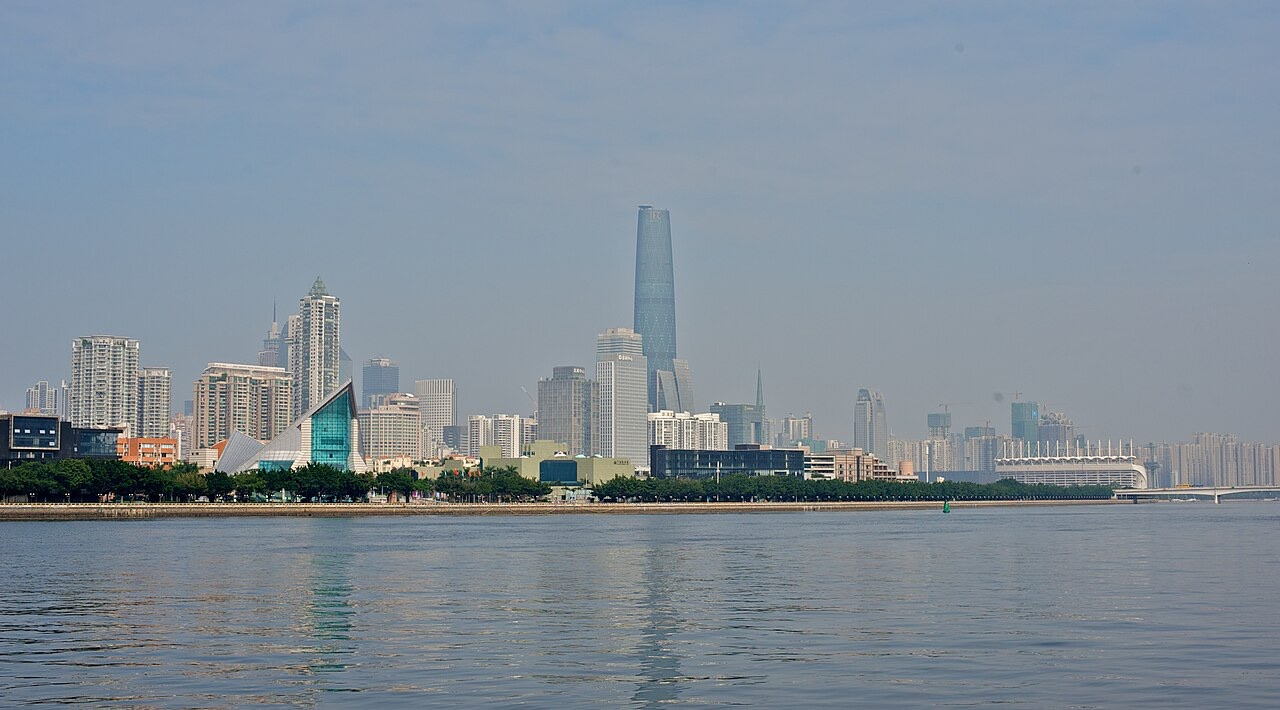
Guangzhou — historically known as Canton — is the capital of Guangdong Province and the medical centre of South China, with some of the country's oldest and largest university hospitals. For international patients it combines three practical advantages: a major hub airport, direct high-speed trains to Hong Kong, and a growing group of hospitals that run dedicated international clinics. This guide covers the medical landscape, how to arrive, where to stay, and how to combine an appointment schedule with a comfortable trip.
Why patients consider Guangzhou
Guangdong Province has selected 25 hospitals to pilot international medical services; these services are aimed at patients with international commercial insurance or those paying out of pocket, and each hospital sets its own prices for them[8]. In practice that means Guangzhou offers large public teaching hospitals with international or VIP clinics alongside private international hospitals — but no citywide price list, so always ask for a written quotation.
A few examples, each confirmed on the institution's own pages or official profiles:
- The First Affiliated Hospital of Sun Yat-sen University (FAH-SYSU) — founded in 1910 and one of the oldest comprehensive hospitals in South China[4]. It runs an International Medicine outpatient service with published weekday opening and registration hours and dedicated registration phone lines[3].
- Guangzhou United Family Hospital — a private international hospital in Haizhu District whose Patient Services team coordinates communication for patients and families, on duty 8:30 a.m. to 5:30 p.m., with specific help offered to families who live outside Guangzhou[5].
- Clifford Hospital (Panyu District) — a large private general hospital whose specialists combine Western medicine, traditional Chinese medicine and natural medicine[6]. It was the first hospital in China accredited by Joint Commission International (JCI), and holds China's top "Level A tertiary" grade[7].
Two honest caveats. First, a hospital having a strong department does not mean its international desk serves that department in English — verify the exact service you need, in writing, before booking travel; our bilingual inquiry letter tool makes that easier. Second, English levels vary widely outside international clinics. Guangzhou runs a multilingual public-service phone platform (960169) that can connect English, Japanese or Korean speakers with an interpreter to the city's 12320 health hotline[13]. Browse and compare options in our directory: hospitals in Guangzhou.
Getting there
By air. Guangzhou Baiyun International Airport (CAN) is one of China's largest hubs, with direct flights across Asia, Europe, North America, Africa and Oceania. Metro and airport express buses connect it to the city centre in roughly 45–60 minutes depending on your district.
From Hong Kong. The Guangzhou–Shenzhen–Hong Kong Express Rail Link runs direct trains from Hong Kong West Kowloon station into Guangzhou with no interchange[9]. The fastest services reach Guangzhou South in about 46 minutes; trains to Guangzhou East take around 1.5 hours but arrive closer to the traditional city centre[10]. Guangzhou South station is connected to the metro network. This makes a combined plan — fly into Hong Kong, cross for treatment — genuinely practical.
By sea. In November 2025, Guangzhou's Pazhou Ferry Terminal was added to the list of ports where eligible travellers can enter under the visa-free transit policy, alongside Hengqin Port and the Hong Kong–Zhuhai–Macao Bridge Port[2] — relevant if you arrive via Hong Kong or Macao by ferry or bridge coach.
Visas and the 240-hour rule. As of October 2026, nationals of 57 countries — including the United States, the United Kingdom, Russia and most of the EU — may enter China visa-free for up to 10 days (240 hours) when transiting to a third country or region, entering through any of 65 designated ports in 24 covered provinces; permitted activities include tourism, business, visits and family reunions, while work, study and journalism still require visas[1]. Hong Kong and Macao count as separate regions for this purpose, so an itinerary such as home → Guangzhou → Hong Kong can qualify. The policy text does not specifically mention medical appointments, so if treatment is the main purpose of your trip, confirm with the National Immigration Administration or a Chinese embassy — or simply apply for a regular visa. Details and documents are covered in our visa and entry guide.
Where to stay
Choose your hospital first, then your hotel — Guangzhou is big, and crossing town in rush hour can take over an hour.
- Yuexiu District puts you near FAH-SYSU and several other university hospitals, in the older city centre with abundant mid-range hotels.
- Zhujiang New Town / Tianhe is the modern business district: international hotel chains, English-friendlier services, and good metro lines in every direction.
- Pazhou / Haizhu suits patients attending Guangzhou United Family Hospital; note that during the big spring and autumn trade-fair weeks, hotel rates across the city rise sharply — check fair dates before booking.
For stays of two weeks or more, serviced apartments with kitchens are widely available and usually cheaper per night. More strategies in accommodation near hospitals.
Combining treatment with travel
Guangzhou rewards a gentle pace, which suits a medical itinerary. An example structure (this is an example, not medical advice): schedule appointments in the morning, rest after lunch, then take an easy outing — the shaded colonial streets of Shamian Island, the Chen Clan Ancestral Hall, or an evening Pearl River cruise where the sightseeing happens from a seat. Cantonese food culture is a highlight in itself; congee and steamed dishes are also friendly to sensitive stomachs.
If your doctor confirms you are fit for it, Shenzhen is under 40 minutes away by high-speed rail for a day trip, and Shenzhen is also an alternative treatment base closer to Hong Kong. Do not plan strenuous sightseeing or a flight immediately after a procedure — build in buffer days, and read combining treatment and travel and recovery-friendly activities before you fix dates.
Climate: heat, humidity and typhoons
Guangzhou has a humid subtropical climate. Climatological normals show July and August averaging daily highs around 32.6–32.7 °C, with the wettest months from April to June (182–284 mm of rain per month and 16–19 rain days); October to December is far drier (24–79 mm per month)[11]. Summer humidity is intense — plan indoor mornings and short outdoor outings. In the broader Pearl River Delta region, tropical cyclones normally occur from May to November and are particularly prevalent in September[12]; a typhoon can shut transport and outpatient clinics for a day or two, so avoid booking tight connections in that window. October to February is the most comfortable period for a medical trip.
Practical tips
- Language. Cantonese and Mandarin are both widely spoken; English is limited outside international clinics. Consider a medical interpreter for complex consultations — see language and interpreters.
- Payments. Set up Alipay or WeChat Pay with your foreign card before arrival; many windows and kiosks are cashless-first. Our payments guide walks through it.
- Getting around. The metro is extensive, cheap and signposted in English; ride-hailing through Didi works with foreign cards. See getting around.
- Documents. Bring passports, prior imaging and reports, and a medication list; hospitals may keep paper records in Chinese, so ask the international clinic whether English records are available — and how — before treatment. See medical records and follow-up.
- Emergencies. Know your hospital's emergency entrance and read emergency help in China before you need it.
Next steps
Compare hospitals in Guangzhou in our directory, contact international departments with the bilingual inquiry letter tool, and if you want a structured treatment-plus-travel schedule built around your dates, try the CareAtlas planner.
Questions fréquentes
Do Guangzhou hospitals have English-speaking services?
Several large hospitals run dedicated international or VIP clinics, and Guangdong has named 25 hospitals to pilot international medical services. English availability varies by hospital and even by department, so confirm in writing before you travel.
Can I go to Guangzhou without a Chinese visa?
Nationals of 57 countries can use the 240-hour (10-day) visa-free transit policy if they continue to a third country or region — Hong Kong and Macao count as separate regions. Otherwise, apply for a visa; see our visa guide.
How do I get from Hong Kong to Guangzhou?
Direct high-speed trains run from Hong Kong West Kowloon to Guangzhou South in about 46–47 minutes on the fastest services; some trains continue to or serve Guangzhou East, which is closer to the city centre but slower.
When is the best time of year for a medical trip to Guangzhou?
October to February is cooler and much drier. April to September is hot and humid with heavy rain, and the regional typhoon season normally runs May to November.
How much does treatment cost in Guangzhou?
There is no citywide price list. Hospitals set their own prices for international services, which are paid out of pocket or via commercial insurance, so always request a written quotation from the hospital's international department.
Références (13)
- [1]Visa-Free Transit Policies — National Immigration Administration (consulté le 2026-10-12)↩
- [2]240-hour visa-free transit policy expanded to five more ports — National Immigration Administration (consulté le 2026-10-12)↩
- [3]International Medicine — The First Affiliated Hospital, Sun Yat-sen University (consulté le 2026-10-12)↩
- [4]About FAH-SYSU — First Affiliated Hospital, Sun Yat-sen University (consulté le 2026-10-12)↩
- [5]Patient Services — Guangzhou United Family Hospital (consulté le 2026-10-12)↩
- [6]Clifford Hospital — China Daily (government portal profile) (consulté le 2026-10-12)↩
- [7]Clifford Hospital — Wikipedia (consulté le 2026-10-12)↩
- [8]GD names 25 international hospitals, 4 in SZ — Nanshan District Government, Shenzhen (consulté le 2026-10-12)↩
- [9]High Speed Rail (Hong Kong Section) — MTR Corporation (consulté le 2026-10-12)↩
- [10]Guangzhou–Shenzhen–Hong Kong Express Rail Link — Wikipedia (consulté le 2026-10-12)↩
- [11]World Weather Information Service — Guangzhou — World Meteorological Organization (data: China Meteorological Administration) (consulté le 2026-10-12)↩
- [12]Precautionary Measures when Tropical Cyclone Warning Signals are in force — Hong Kong Observatory (consulté le 2026-10-12)↩
- [13]Guide for foreigners in Guangzhou: Medical services — Newsgd.com (Guangdong official news portal) (consulté le 2026-10-12)↩
Worth seeing
Tour de Canton
Tour emblématique offrant une vue sur la ville, avec une promenade plane au bord du fleuve ; sortie facile en soirée.
≈ 2 h
Île de Shamian
Rues ombragées de l’époque coloniale au bord de la rivière des Perles ; terrain plat, calme et idéal pour des promenades de convalescence.
≈ 2 h
Temple ancestral du clan Chen
Architecture raffinée du Lingnan et musée d’art populaire ; site compact et presque entièrement sans marches.
≈ 2 h
Parc Yuexiu
Grand parc central abritant la statue des Cinq Béliers ; chemins pavés avec quelques pentes douces.
≈ 2 h
Croisière nocturne sur la rivière des Perles
Découverte peu fatigante de la ville illuminée, assis sur le pont.
≈ 2 h